American political polarization has intensified significantly since the 1980s, with research showing increased partisan sorting and ideological consistency within political parties. Studies by the Pew Research Center indicate that the percentage of Americans with consistently conservative or liberal views has doubled over the past two decades, while the proportion holding mixed ideological positions has declined. This trend reflects a broader realignment where geographic, cultural, and political identities have become more closely aligned.
The consolidation of ideological positions within parties has reduced the number of moderate legislators in Congress. Data from DW-NOMINATE scores, which measure legislative voting patterns, demonstrate that the ideological distance between parties has reached levels not seen since the late 19th century. This institutional change has coincided with primary election systems that often reward candidates who appeal to partisan bases rather than centrist voters.
Media consumption patterns and social media algorithms have contributed to increased exposure to politically congruent information. Research indicates that Americans increasingly live in politically homogeneous communities and consume news from sources that align with their existing beliefs. This phenomenon, combined with negative partisanship—where party loyalty is driven more by opposition to the other party than support for one’s own—has intensified political divisions.
The effects of polarization extend beyond electoral politics into social relationships and civic institutions. Surveys show increasing numbers of Americans report that political disagreements strain personal relationships, and partisan considerations increasingly influence decisions about where to live, work, and socialize. This sorting has implications for democratic governance, as it can reduce opportunities for cross-cutting social ties that historically helped moderate political conflict.
Key Takeaways
- American politics is deeply polarized, affecting governance and social unity.
- Media plays a significant role in intensifying political divisions.
- Partisanship undermines social cohesion and trust in institutions.
- Political gridlock has negative economic consequences.
- Bridging divides and finding common ground are essential for national progress.
The Impact of Political Division on Governance
The ramifications of political polarization are profoundly felt in the realm of governance. As lawmakers become increasingly entrenched in their partisan positions, the ability to pass legislation that addresses pressing issues diminishes. This gridlock not only frustrates constituents who expect their representatives to act on their behalf but also undermines the effectiveness of government as a whole.
When compromise becomes a rarity, critical matters such as healthcare reform, infrastructure development, and climate change initiatives languish in legislative limbo, leaving citizens to grapple with unresolved challenges. Moreover, the inability to collaborate across party lines fosters an environment of cynicism and disillusionment among the electorate. Voters may feel that their voices are unheard and that their needs are secondary to political maneuvering.
This disconnection can lead to apathy and disengagement from the political process, further exacerbating the cycle of division. When governance becomes synonymous with partisan warfare rather than public service, it erodes the trust that citizens place in their elected officials and institutions. The consequences are far-reaching, as a dysfunctional government struggles to respond effectively to crises and meet the needs of its people.
The Role of Media in Fueling Political Division
In an age where information is readily accessible, the media plays a pivotal role in shaping public perception and discourse. Unfortunately, many media outlets have succumbed to sensationalism and partisanship, prioritizing ratings over responsible journalism. This trend has contributed significantly to the polarization of American politics, as news consumers often gravitate toward sources that reinforce their existing beliefs rather than challenge them.
The result is a fragmented media landscape where misinformation thrives, and nuanced discussions are overshadowed by hyperbolic narratives. Social media platforms have further exacerbated this issue by creating echo chambers that amplify divisive content. Algorithms designed to maximize engagement often prioritize sensational stories over factual reporting, leading to a distorted understanding of political realities.
As individuals consume news that aligns with their biases, they become less open to alternative viewpoints, fostering an environment where hostility toward opposing perspectives flourishes. The media’s role in fueling division cannot be understated; it shapes not only how we perceive political issues but also how we relate to one another as citizens in a democratic society.
The Effects of Partisanship on Social Cohesion
The consequences of political partisanship extend beyond the halls of Congress and into our communities, affecting social cohesion at every level. As individuals increasingly identify with their political tribes, relationships with those who hold differing views can become strained or even severed. Families may find themselves divided along partisan lines, friendships may dissolve over political disagreements, and community organizations may struggle to maintain unity in the face of ideological differences.
This fragmentation undermines the social fabric that binds us together as a nation. Moreover, the rise of partisanship has led to a culture of intolerance where dissenting opinions are met with hostility rather than respectful debate. This environment stifles healthy discourse and discourages individuals from engaging with those who think differently.
As social cohesion erodes, so too does our ability to work collaboratively toward common goals. In a society where empathy and understanding are essential for progress, the divisive nature of partisanship poses a significant barrier to achieving meaningful change and fostering a sense of belonging among all citizens.
Economic Consequences of Political Gridlock
The economic implications of political gridlock are profound and far-reaching. When lawmakers are unable to reach consensus on critical issues such as budgetary allocations, tax reforms, or infrastructure investments, it creates uncertainty that can stifle economic growth. Businesses thrive in stable environments where policies are predictable; however, prolonged stalemates can lead to hesitancy among investors and entrepreneurs who may be reluctant to commit resources in an unpredictable political climate.
Furthermore, essential programs that support vulnerable populations often fall victim to partisan disputes. When funding for social services or public welfare initiatives is held hostage by political disagreements, it exacerbates existing inequalities and places additional burdens on those who are already struggling. The economic consequences of such gridlock extend beyond immediate financial impacts; they can perpetuate cycles of poverty and hinder upward mobility for generations to come.
In this way, the failure to govern effectively not only affects current economic conditions but also shapes the future prospects of countless individuals and families.
The Erosion of Trust in Institutions
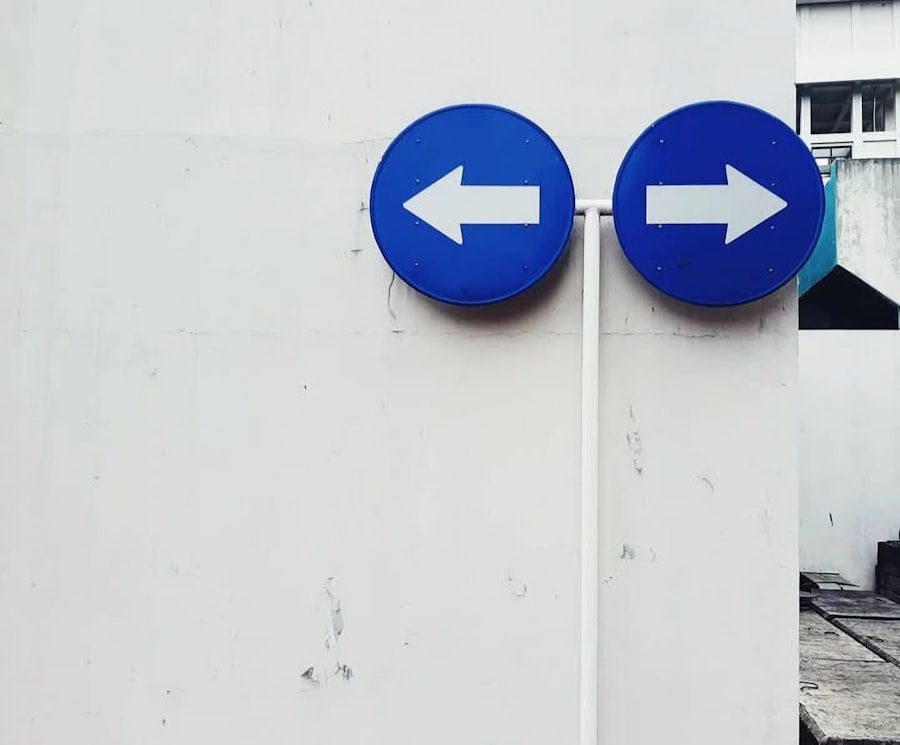
As political polarization intensifies and governance falters, trust in institutions suffers significantly. Citizens increasingly view government entities—whether local, state, or federal—as extensions of partisan agendas rather than impartial bodies serving the public good. This erosion of trust is particularly concerning in a democratic society where faith in institutions is essential for effective governance and civic engagement.
When individuals believe that their government is more concerned with political power than with serving its constituents, disillusionment sets in. The consequences of diminished trust extend beyond mere skepticism; they can lead to disengagement from civic responsibilities such as voting or community involvement. When citizens feel alienated from their institutions, they may withdraw from participation altogether, further exacerbating the cycle of division and discontent.
Rebuilding trust requires transparency, accountability, and a commitment to serving all constituents rather than catering solely to partisan interests. It is imperative for leaders to recognize that restoring faith in institutions is not just about policy changes; it involves fostering a culture of integrity and service that prioritizes the common good.
Strategies for Bridging the Political Divide
To address the challenges posed by political polarization, it is essential to explore strategies for bridging the divide. One effective approach is fostering dialogue through community forums that encourage open discussions among individuals with differing viewpoints. These forums can provide safe spaces for people to share their perspectives while actively listening to others, promoting understanding and empathy in the process.
By creating opportunities for meaningful conversations, we can begin to dismantle stereotypes and build connections across ideological lines. Additionally, promoting civic education can empower citizens to engage thoughtfully in political discourse. By equipping individuals with critical thinking skills and an understanding of diverse perspectives, we can cultivate a more informed electorate capable of navigating complex issues without resorting to hostility or division.
Encouraging participation in local governance—such as town hall meetings or community boards—can also foster a sense of ownership over political processes and encourage collaboration among constituents with varying beliefs.
The Importance of Finding Common Ground in American Politics
Ultimately, finding common ground is essential for restoring harmony within American politics and society at large. While differences in opinion are inevitable in a diverse democracy, it is crucial to recognize shared values that transcend partisan divides—values such as justice, compassion, and a commitment to the common good. By focusing on these shared principles rather than divisive rhetoric, we can work toward solutions that benefit all citizens.
In this pursuit of common ground, it is vital for leaders from both sides of the aisle to model constructive behavior by engaging in bipartisan efforts that prioritize collaboration over conflict. When politicians demonstrate a willingness to work together for the greater good, it sends a powerful message to constituents about the importance of unity in addressing societal challenges. As we strive for reconciliation in our political landscape, let us remember that our strength lies not in our differences but in our shared humanity—a foundation upon which we can build a more just and flourishing society for all.