At the heart of America’s identity lies a set of founding ideals that have shaped the nation’s trajectory since its inception. These principles, articulated in the Declaration of Independence and the Constitution, emphasize liberty, equality, and the pursuit of happiness. The framers of these documents envisioned a society where individuals could thrive, free from tyranny and oppression.
This vision was not merely aspirational; it was a call to action for generations to come. The ideals of democracy and self-governance were revolutionary, establishing a framework that empowered citizens to participate actively in shaping their own destinies. However, the realization of these ideals has been fraught with challenges.
Throughout history, America has grappled with contradictions between its lofty principles and the realities of social injustice, inequality, and exclusion. The struggle for civil rights, the fight against systemic racism, and the ongoing quest for gender equality are testaments to the nation’s complex journey toward fulfilling its founding promises. Understanding these ideals requires a commitment to both acknowledging past failures and striving for a more just society.
It is through this lens that we can begin to reconcile the nation’s history with its aspirations, fostering a deeper appreciation for the ongoing work needed to achieve true liberty and justice for all.
Key Takeaways
- America’s founding ideals provide a foundation for unity and democracy.
- Overcoming partisan divides is essential for national progress.
- Embracing diversity and inclusion strengthens societal cohesion.
- Active civic engagement fosters a more informed and involved citizenry.
- Promoting equality, justice, and constitutional values supports a unified future.
Moving Beyond Partisan Politics
In recent years, America has witnessed an alarming rise in partisan politics that has polarized communities and stifled constructive dialogue. Political affiliation has become a defining characteristic, often overshadowing shared values and common goals. This divisiveness not only hampers effective governance but also erodes the social fabric that binds citizens together.
To move beyond this impasse, it is essential to cultivate a culture of collaboration and mutual respect, where individuals can engage in meaningful conversations without fear of retribution or dismissal. One way to transcend partisan divides is by focusing on issues that resonate across the political spectrum. Topics such as education reform, healthcare access, and environmental stewardship are areas where common ground can be found.
By prioritizing dialogue over debate, citizens can work together to develop solutions that reflect a collective vision for the future. Emphasizing shared humanity rather than political allegiance allows for a more inclusive approach to problem-solving, fostering an environment where diverse perspectives are valued and respected. In this way, moving beyond partisan politics becomes not just a necessity but a moral imperative for the flourishing of society.
Embracing Diversity and Inclusion
Diversity is one of America’s greatest strengths, enriching the nation’s cultural tapestry and fostering innovation. Embracing diversity means recognizing and celebrating the myriad backgrounds, experiences, and perspectives that contribute to the collective identity of the nation. Inclusion goes hand in hand with diversity; it requires creating spaces where all voices are heard and valued.
This commitment to inclusivity is essential for building a society that reflects the richness of its population and promotes human flourishing. To truly embrace diversity, it is crucial to confront biases and systemic barriers that hinder equitable participation. This involves not only acknowledging historical injustices but also actively working to dismantle structures that perpetuate inequality.
Educational institutions, workplaces, and community organizations must prioritize diversity initiatives that promote representation and empower marginalized voices. By fostering an environment where everyone feels valued and included, society can harness the full potential of its diverse population, leading to greater creativity, resilience, and social cohesion.
Fostering a Culture of Civic Engagement
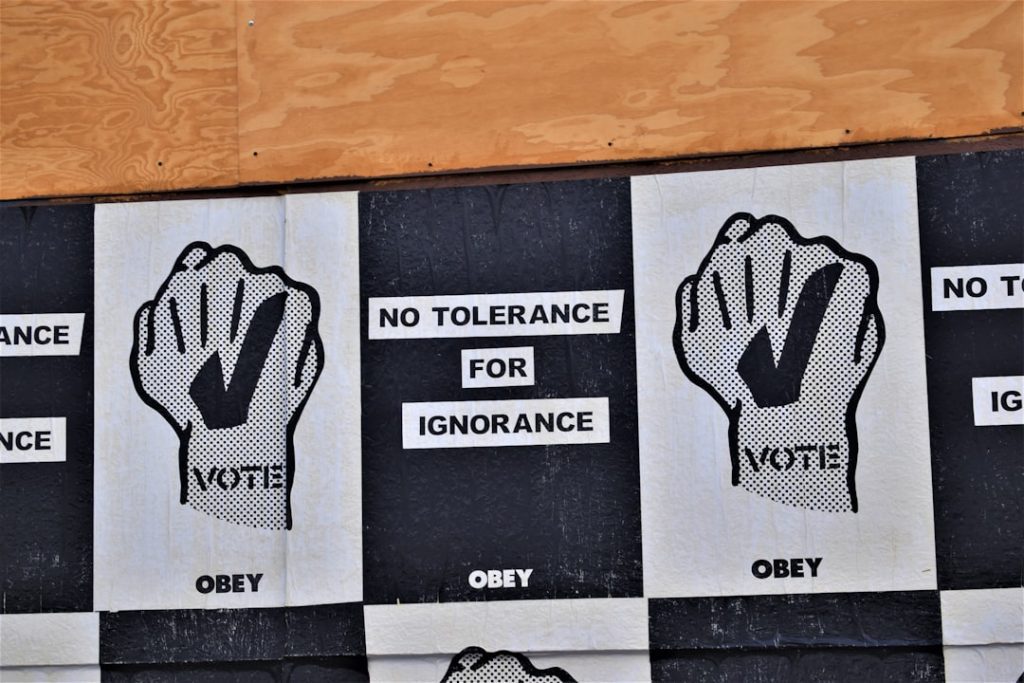
Civic engagement is the lifeblood of a healthy democracy, empowering citizens to take an active role in shaping their communities and influencing public policy. Encouraging participation in civic life—whether through voting, volunteering, or advocacy—strengthens democratic institutions and fosters a sense of ownership among citizens. A culture of civic engagement cultivates informed and active citizens who understand their rights and responsibilities within a democratic society.
To foster this culture, it is essential to provide education and resources that equip individuals with the knowledge and skills necessary for effective participation. Schools should prioritize civic education, teaching students about their rights as citizens and the importance of community involvement. Additionally, local organizations can play a pivotal role in mobilizing citizens by creating opportunities for engagement that resonate with diverse populations.
By nurturing a sense of civic responsibility and encouraging active participation, society can build a more vibrant democracy where every voice contributes to the collective good.
Promoting Equality and Justice for All
The pursuit of equality and justice is a fundamental tenet of America’s founding ideals. Yet, despite significant progress over the years, systemic inequalities persist across various dimensions—race, gender, socioeconomic status, and more. Promoting equality requires not only addressing these disparities but also fostering an environment where justice is accessible to all individuals.
This commitment to justice must be rooted in empathy and understanding, recognizing the unique challenges faced by marginalized communities. To advance equality, it is essential to implement policies that address systemic barriers while promoting equitable opportunities for all citizens. This includes reforming criminal justice systems that disproportionately impact certain populations, ensuring access to quality education regardless of socioeconomic background, and advocating for fair labor practices that uplift workers’ rights.
Moreover, fostering dialogue around issues of inequality can help bridge divides and promote understanding among diverse groups. By prioritizing justice as a collective responsibility, society can work toward creating an environment where every individual has the opportunity to thrive.
Strengthening Constitutional Principles
The Constitution serves as the cornerstone of American democracy, embodying principles that safeguard individual liberties while promoting the common good. Strengthening these constitutional principles requires ongoing vigilance and commitment from citizens to uphold the rule of law and protect democratic institutions. This involves not only understanding one’s rights but also recognizing the responsibilities that come with them—participating in civic life, advocating for justice, and holding leaders accountable.
In an era marked by rapid change and uncertainty, it is crucial to reaffirm our commitment to constitutional values such as freedom of speech, due process, and equal protection under the law. Engaging in discussions about constitutional interpretation can help clarify its relevance in contemporary society while ensuring that it remains a living document responsive to the needs of all citizens. By fostering a culture that values constitutional principles, society can create a foundation for stability and justice that benefits future generations.
Nurturing a Sense of National Unity
In an increasingly fragmented world, nurturing a sense of national unity is essential for fostering social cohesion and resilience. Unity does not imply uniformity; rather, it celebrates the rich diversity of perspectives while emphasizing shared values and common goals. Building national unity requires intentional efforts to bridge divides—whether they be ideological, cultural, or geographic—by promoting dialogue and understanding among different groups.
One effective way to nurture unity is through community-building initiatives that bring people together around shared interests or goals. Local events, service projects, or cultural celebrations can create opportunities for individuals from diverse backgrounds to connect and collaborate. Additionally, leaders at all levels must model inclusive behavior by promoting messages of unity rather than division.
By prioritizing national unity as a collective aspiration, society can cultivate an environment where individuals feel connected to one another and invested in the common good.
Pursuing a Shared Vision for the Future
As America navigates complex challenges in an ever-changing world, pursuing a shared vision for the future becomes paramount. This vision should be rooted in the founding ideals of liberty, equality, and justice while embracing the diverse experiences that shape contemporary society. Engaging citizens in conversations about their hopes and aspirations for the future fosters a sense of ownership over collective goals and encourages collaboration toward achieving them.
To create this shared vision, it is essential to involve individuals from all walks of life in discussions about priorities for community development, social justice initiatives, and environmental sustainability. By actively seeking input from diverse voices—especially those historically marginalized—society can develop solutions that reflect collective aspirations rather than imposing top-down directives. Ultimately, pursuing a shared vision requires commitment from all citizens to work together toward a brighter future—one characterized by compassion, understanding, and mutual respect.
In conclusion, America stands at a crossroads where understanding its founding ideals can guide efforts toward reconciliation and human flourishing. By moving beyond partisan politics, embracing diversity and inclusion, fostering civic engagement, promoting equality and justice for all, strengthening constitutional principles, nurturing national unity, and pursuing a shared vision for the future, we can build a wise and moral society that reflects our highest aspirations as a nation. It is through these collective efforts that we can restore hope and create a brighter future for generations to come.