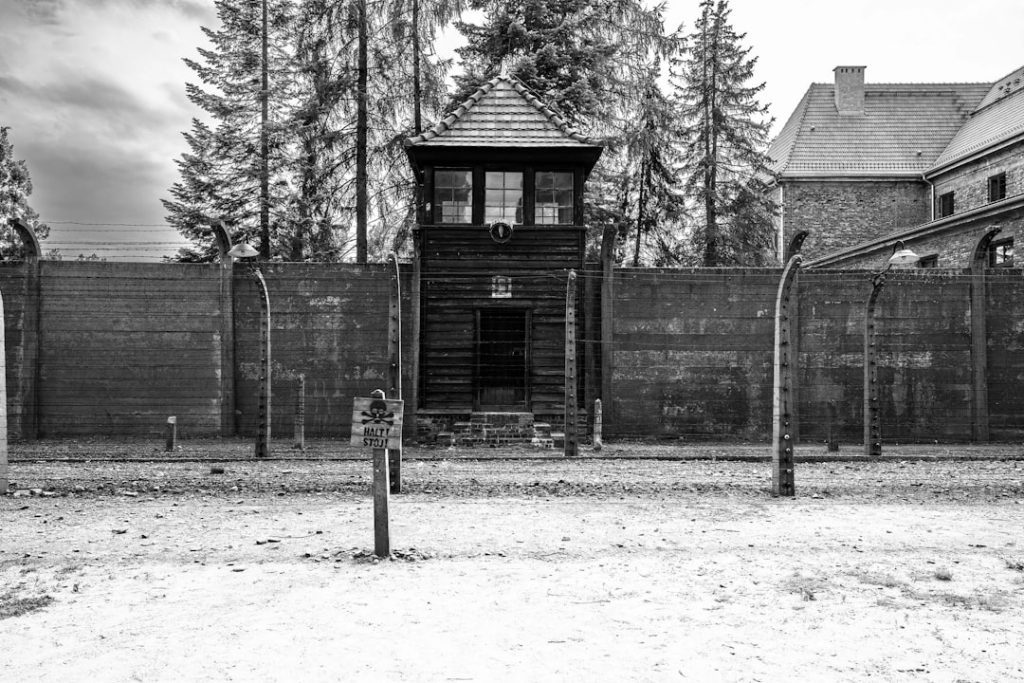
The term “Nazi” refers to the National Socialist German Workers’ Party that gained power in Germany during the early 20th century under Adolf Hitler’s leadership. This totalitarian regime was defined by extreme nationalism and racial ideology that claimed Aryan superiority. Nazi policies led to World War II and the Holocaust, resulting in the systematic murder of six million Jews and millions of other victims including Roma, disabled people, political opponents, and others deemed undesirable by the regime.
Nazism represents a critical historical case study in how extremist ideologies can capture state power with devastating consequences. The Nazi period (1933-1945) demonstrates how democratic institutions can be undermined from within, as Hitler initially rose to power through legal means before dismantling Germany’s democratic system. The regime’s propaganda, militarism, and totalitarian control mechanisms exemplify the dangers of unchecked authoritarianism.
The historical significance of Nazism continues to inform contemporary discussions about extremism, genocide, human rights, and democratic resilience. It serves as a reference point for understanding how societies can be vulnerable to radical ideologies and the importance of institutional safeguards against authoritarian movements.
Key Takeaways
- The term “Nazi” holds deep historical significance tied to the atrocities of the Nazi regime.
- Over time, “Nazi” has evolved into a common insult, often used inaccurately or excessively.
- Using “Nazi” as a universal insult can diminish the gravity of its original meaning and impact.
- Modern discourse sometimes appropriates “Nazi” in ways that distort historical facts and fuel misunderstanding.
- Educating the public and promoting respectful dialogue are essential to prevent trivialization and misuse of the term.
The Evolution of “Nazi” as an Insult
Over time, the term “Nazi” has evolved from a specific historical reference to a broader insult used in contemporary discourse. Initially, it was employed to describe members of the National Socialist Party and their adherents, but as the memory of World War II faded, its usage expanded. Today, calling someone a “Nazi” often serves as a shorthand for labeling individuals or groups with whom one disagrees politically or ideologically.
This evolution reflects a troubling trend in which complex political disagreements are reduced to simplistic and inflammatory accusations. The transformation of “Nazi” into a universal insult has significant implications for public discourse. When individuals casually label their opponents as Nazis, they not only trivialize the historical atrocities associated with that term but also undermine meaningful dialogue.
Such accusations can stifle constructive debate and foster an environment where genuine differences are dismissed rather than explored. As a result, the term has lost much of its original weight, becoming a tool for derision rather than a catalyst for understanding.
The Impact of Using “Nazi” as a Universal Insult

The widespread use of “Nazi” as an insult has far-reaching consequences for society. First and foremost, it dilutes the historical significance of the term, making it easier for people to forget or ignore the real horrors associated with Nazism. When individuals throw around accusations of Nazism without understanding their implications, they risk trivializing the suffering endured by millions during one of history’s darkest periods.
This trivialization can lead to a dangerous desensitization to hate speech and extremist ideologies, making it easier for such sentiments to take root in society. Moreover, using “Nazi” as a universal insult can create an atmosphere of fear and division. When people feel that they are being labeled as Nazis simply for holding differing opinions, they may retreat into echo chambers where their views go unchallenged.
This polarization stifles healthy debate and fosters an environment where compromise becomes nearly impossible. In a society that thrives on diverse perspectives and open dialogue, the misuse of such a powerful term can hinder progress toward understanding and reconciliation.
The Appropriation of “Nazi” in Modern Discourse
In recent years, the appropriation of “Nazi” in modern discourse has taken on various forms, often reflecting broader societal tensions. From social media platforms to political rallies, the term is frequently invoked to express outrage or condemnation. However, this appropriation often lacks nuance and fails to engage with the complexities of contemporary issues.
Instead of fostering informed discussions about racism, xenophobia, or authoritarianism, the term is wielded as a blunt instrument to silence dissent or delegitimize opposing viewpoints. This trend raises important questions about the role of language in shaping public perception and discourse. When “Nazi” is used indiscriminately, it risks alienating individuals who may hold differing opinions but are not motivated by hate or extremism.
The result is a chilling effect on free speech and an erosion of trust among citizens. In a democratic society, it is essential to engage with differing perspectives respectfully and thoughtfully rather than resorting to inflammatory language that can further entrench divisions.
The Dangers of Trivializing the Term “Nazi”
Trivializing the term “Nazi” poses significant dangers not only to historical memory but also to contemporary society’s ability to confront hate and extremism effectively. When individuals use the term lightly or flippantly, they risk diminishing its historical weight and significance. This trivialization can lead to a lack of awareness about the real threats posed by extremist ideologies today, as well as an inability to recognize when such ideologies resurface in new forms.
Furthermore, trivializing Nazism can create an environment where hate speech and discrimination are normalized. If accusations of Nazism become mere rhetorical devices rather than serious charges grounded in historical reality, society may become desensitized to the dangers posed by actual hate groups and extremist movements. This desensitization can embolden those who harbor hateful ideologies, making it all the more critical for individuals and communities to remain vigilant against intolerance in all its forms.
The Responsibility of Media and Public Figures in Addressing the Misuse of “Nazi”
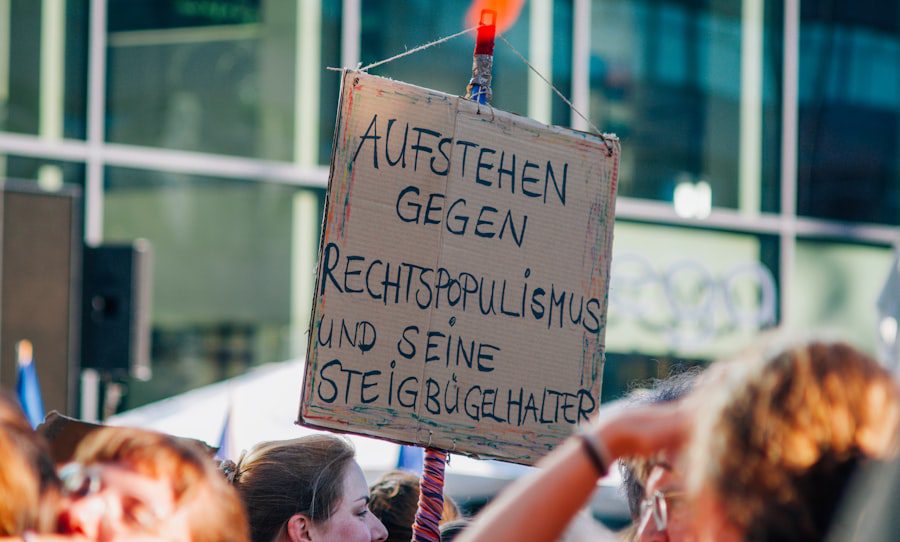
Media outlets and public figures play a crucial role in shaping public discourse and perceptions surrounding sensitive topics like Nazism. With their platforms comes a responsibility to use language thoughtfully and accurately. When media personalities or politicians invoke the term “Nazi,” they must do so with an understanding of its historical context and implications.
Failing to do so not only perpetuates misinformation but also contributes to a culture where inflammatory rhetoric becomes commonplace. Moreover, public figures have an opportunity to model respectful discourse by refraining from using “Nazi” as a catch-all insult. Instead, they can encourage nuanced discussions about complex issues while acknowledging the historical significance of Nazism.
By promoting language that fosters understanding rather than division, media and public figures can help create an environment where constructive dialogue thrives and where individuals feel empowered to engage with differing perspectives.
The Importance of Educating on the True History of Nazism
Education plays a vital role in ensuring that future generations understand the true history of Nazism and its implications for contemporary society. Comprehensive education about World War II, the Holocaust, and the rise of totalitarian regimes is essential for fostering critical thinking skills and promoting empathy among students. By learning about the past, individuals can better recognize the signs of hate and extremism in their own communities today.
In addition to formal education, community initiatives that promote awareness about Nazism’s historical significance can help combat ignorance and misinformation. Museums, memorials, and educational programs dedicated to Holocaust remembrance serve as powerful reminders of the consequences of hatred and intolerance. By engaging with these resources, individuals can cultivate a deeper understanding of history while also developing a commitment to preventing similar atrocities from occurring in the future.
Promoting Constructive Dialogue and Respectful Discourse in Society
Ultimately, fostering constructive dialogue and respectful discourse is essential for building a wise and moral society that promotes human flourishing. In an age marked by polarization and division, it is crucial for individuals to engage with one another thoughtfully and empathetically. This means moving beyond simplistic labels like “Nazi” and instead seeking to understand the underlying beliefs and values that inform differing perspectives.
Encouraging open dialogue requires creating spaces where individuals feel safe expressing their views without fear of being labeled or dismissed outright. By prioritizing respectful communication, communities can work toward reconciliation and understanding rather than perpetuating cycles of animosity. In doing so, society can cultivate an environment where diverse voices contribute to collective wisdom, ultimately leading to greater harmony and flourishing for all.
In conclusion, while the term “Nazi” carries significant historical weight, its misuse as an insult undermines meaningful discourse and trivializes real suffering. It is imperative for individuals, media outlets, and public figures alike to approach this term with care and responsibility. By educating ourselves about history and promoting respectful dialogue, we can work toward a society that values understanding over division—a society that honors our shared humanity while striving for justice and reconciliation.