
Equality before the law is a foundational principle that underpins the very fabric of a just society. It asserts that every individual, regardless of their background, status, or identity, is subject to the same legal standards and protections. This principle is not merely a theoretical ideal; it is a practical necessity for fostering trust and cooperation among citizens.
When people believe that they will be treated fairly and equitably by the legal system, they are more likely to engage positively in civic life, contribute to their communities, and uphold the rule of law. In essence, equality before the law serves as a cornerstone for social stability and cohesion. Moreover, the importance of this principle extends beyond mere legal frameworks; it resonates deeply with moral and ethical considerations.
From a Christian perspective, the belief in the inherent dignity of every human being, created in the image of God, reinforces the necessity of treating all individuals with respect and fairness. This moral imperative compels us to advocate for systems that ensure justice is accessible to all, thereby promoting human flourishing. When equality before the law is upheld, it not only protects individual rights but also cultivates an environment where compassion, understanding, and reconciliation can thrive.
Key Takeaways
- Equality before the law is fundamental for justice and societal fairness.
- Historically, legal equality has evolved through struggles against discrimination and privilege.
- Equal legal treatment supports social stability and individual human flourishing.
- Inequality in law leads to social injustice, marginalization, and hinders development.
- Modern efforts focus on overcoming systemic barriers to ensure true legal equality worldwide.
Historical Background of Equality Before the Law
The concept of equality before the law has evolved significantly throughout history, shaped by various philosophical, religious, and political movements. Ancient civilizations, such as those in Mesopotamia and Egypt, had rudimentary legal codes that offered some degree of protection to individuals; however, these laws often favored the elite and powerful. It was not until the Enlightenment period that thinkers like John Locke and Jean-Jacques Rousseau began to articulate ideas about natural rights and social contracts that emphasized equality as a fundamental human right.
Their writings laid the groundwork for modern democratic principles and the notion that all individuals should be treated equally under the law. The establishment of legal systems that embody equality before the law gained momentum in the 18th and 19th centuries, particularly with the emergence of constitutional democracies. The American Declaration of Independence and the French Declaration of the Rights of Man and of the Citizen both enshrined the idea that all men are created equal.
These documents not only reflected a shift in societal values but also inspired movements for civil rights and social justice across the globe. However, despite these advancements, many societies continued to grapple with systemic inequalities that undermined the principle of equal treatment under the law.
The Role of Equality Before the Law in Society

Equality before the law plays a crucial role in shaping societal norms and expectations. It establishes a framework within which individuals can seek justice and redress grievances without fear of discrimination or bias. This principle fosters a sense of belonging and security among citizens, as they understand that their rights are protected equally.
In a society where equality before the law is upheld, individuals are more likely to participate actively in democratic processes, advocate for their rights, and hold authorities accountable. Furthermore, equality before the law serves as a catalyst for social change. When marginalized groups are empowered to challenge injustices through legal means, they can effectuate meaningful reforms that benefit society as a whole.
For instance, landmark cases in civil rights history have demonstrated how legal battles can dismantle discriminatory practices and promote greater inclusivity. By ensuring that all voices are heard and respected within legal frameworks, society can move toward greater harmony and understanding.
The Impact of Inequality Before the Law on Human Flourishing
The consequences of inequality before the law are profound and far-reaching. When certain groups are systematically disadvantaged or denied equal protection under the law, it creates an environment ripe for conflict and division. Individuals who experience discrimination may feel alienated from society, leading to a breakdown in trust between communities and institutions.
This erosion of trust can stifle social cohesion and hinder collective efforts toward progress. Moreover, inequality before the law directly impacts human flourishing by limiting access to opportunities and resources. When individuals are treated unequally in legal contexts—be it in criminal justice, employment disputes, or civil rights cases—they are often deprived of their ability to thrive.
This not only affects their personal well-being but also has broader implications for economic development and social stability. A society that fails to uphold equality before the law risks perpetuating cycles of poverty, disenfranchisement, and despair.
Legal Systems and Equality Before the Law
Legal systems around the world vary significantly in their adherence to the principle of equality before the law. In some countries, robust legal frameworks exist that promote equal treatment; however, implementation often falls short due to corruption, bias, or lack of resources. In contrast, other nations may lack comprehensive legal protections altogether, leaving vulnerable populations at risk of exploitation and abuse.
The effectiveness of a legal system in promoting equality is often contingent upon its commitment to transparency, accountability, and accessibility. Furthermore, international human rights instruments play a vital role in advancing equality before the law on a global scale. Treaties such as the Universal Declaration of Human Rights and various conventions aimed at eliminating discrimination provide essential guidelines for nations striving to uphold this principle.
However, adherence to these international standards varies widely, highlighting the need for ongoing advocacy and reform efforts. Legal systems must not only be designed with equality in mind but also be actively monitored and improved to ensure that they serve all members of society justly.
Challenges to Achieving Equality Before the Law
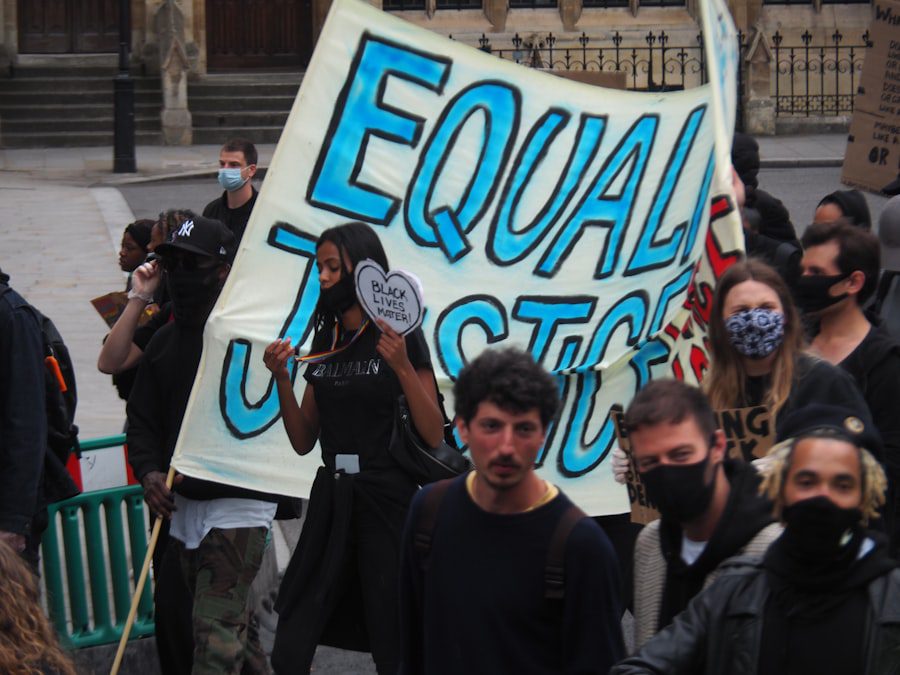
Despite significant progress toward achieving equality before the law, numerous challenges persist. One major obstacle is entrenched systemic bias within legal institutions themselves. Implicit biases among law enforcement officials, judges, and juries can lead to unequal treatment based on race, gender, socioeconomic status, or other factors.
These biases often manifest in disproportionate sentencing practices or unequal access to legal representation, perpetuating cycles of injustice. Additionally, socio-economic disparities can create barriers to accessing legal resources. Individuals from marginalized communities may lack the financial means to secure competent legal counsel or navigate complex legal systems effectively.
This inequity further exacerbates existing inequalities and undermines public confidence in the justice system. Addressing these challenges requires a multifaceted approach that includes education, reforming legal practices, and fostering greater community engagement in advocacy efforts.
Promoting Equality Before the Law in the Modern World
In today’s interconnected world, promoting equality before the law necessitates collaborative efforts across various sectors of society. Grassroots movements play a crucial role in raising awareness about injustices and advocating for policy changes that enhance legal protections for marginalized groups. By mobilizing communities around shared values of justice and equity, these movements can drive meaningful change at local, national, and international levels.
Moreover, leveraging technology can enhance access to legal resources and information for those who may otherwise be excluded from traditional legal systems. Online platforms can provide vital information about rights and legal processes while connecting individuals with pro bono services or advocacy organizations. By harnessing innovation alongside traditional advocacy methods, we can create more inclusive pathways toward achieving equality before the law.
The Future of Equality Before the Law
Looking ahead, the future of equality before the law hinges on our collective commitment to fostering a just society rooted in moral principles. As we navigate complex global challenges—such as climate change, migration crises, and social unrest—it is imperative that we prioritize human dignity and equal treatment in our responses. By embracing a holistic approach that integrates legal reform with ethical considerations, we can work toward building resilient communities where all individuals have an opportunity to flourish.
Ultimately, achieving true equality before the law requires ongoing vigilance and dedication from all members of society. It calls for a willingness to confront uncomfortable truths about systemic inequalities while striving for reconciliation and understanding among diverse groups. As we endeavor to create a more just world, let us remember that our shared humanity compels us to advocate for one another—ensuring that every person is treated with dignity and respect under the law.
In doing so, we not only honor our moral obligations but also pave the way for a brighter future where justice prevails for all.