Liberty is a complex concept that has been central to philosophical and political thought for centuries. It is defined as the condition of being free from oppressive restrictions imposed by governing authorities on one’s lifestyle, conduct, or political beliefs. Liberty encompasses individual autonomy—the right of people to make decisions about their own lives without excessive external interference.
This freedom extends beyond simply lacking constraints; it includes having access to opportunities that enable individuals to pursue their personal goals and well-being. Liberty operates on both individual and collective levels. It involves not only personal rights but also the social structures and conditions necessary for those rights to be exercised effectively.
This dual nature emphasizes the need for ethical principles to guide how liberty is practiced. Genuine liberty differs from unlimited license to act without consideration for others. Instead, it represents responsible freedom that recognizes human interdependence.
When understood this way, liberty functions as a common principle that promotes mutual respect and cooperation, which are fundamental to social stability and cohesion.
Key Takeaways
- Liberty encompasses individual freedom, autonomy, and the absence of oppressive restrictions.
- Historical views on liberty have evolved from classical notions to modern interpretations emphasizing rights and democracy.
- In today’s world, liberty faces complex challenges from technology, security concerns, and political dynamics.
- Governments play a crucial role in balancing the protection of liberty with maintaining order and security.
- Promoting liberty requires cultural understanding, respect for human rights, and proactive efforts to address contemporary threats.
Historical Perspectives on Liberty
The historical evolution of liberty reveals a rich tapestry woven from various cultural, philosophical, and political threads. Ancient civilizations, such as those in Greece and Rome, laid the groundwork for modern conceptions of liberty. The Greeks introduced the idea of civic freedom, where participation in public life was seen as a fundamental right of citizens.
In contrast, Roman law emphasized personal rights and property, establishing a legal framework that would influence future generations. The Enlightenment period marked a significant turning point in the discourse on liberty. Thinkers like John Locke and Jean-Jacques Rousseau championed the idea of natural rights, arguing that individuals are inherently entitled to life, liberty, and property.
Their writings inspired revolutions and movements across Europe and America, leading to the establishment of democratic governments that sought to enshrine these principles in law. The American Declaration of Independence and the French Declaration of the Rights of Man and of the Citizen are prime examples of how historical contexts shaped the understanding and articulation of liberty.
Liberty in the Modern World: Where Does It Stand?

In today’s global landscape, liberty remains a contentious issue, with varying interpretations and applications across different nations. In some parts of the world, individuals enjoy robust freedoms, including freedom of speech, assembly, and religion. These rights are often protected by constitutions and legal frameworks that reflect a commitment to democratic principles.
However, in many regions, liberty is under threat from authoritarian regimes that suppress dissent and curtail individual freedoms in the name of stability or national security. The rise of technology has also transformed the landscape of liberty in profound ways. While the internet has democratized access to information and provided platforms for free expression, it has also given rise to new challenges such as surveillance, misinformation, and censorship.
The balance between protecting individual liberties and ensuring societal safety has become increasingly complex in this digital age. As we navigate these challenges, it is crucial to remain vigilant in safeguarding the principles of liberty that underpin our societies.
The Role of Government in Upholding Liberty
Governments play a pivotal role in upholding and protecting liberty within their jurisdictions. The legitimacy of any government hinges on its ability to ensure that individual rights are respected and that citizens can exercise their freedoms without fear of reprisal. This responsibility requires a delicate balance: while governments must enforce laws to maintain order, they must also refrain from overreach that infringes upon personal liberties.
A well-functioning government should act as a guardian of liberty, creating an environment where individuals can thrive. This involves not only enacting laws that protect civil rights but also fostering a culture of respect for diversity and inclusion. Education plays a crucial role in this endeavor; by instilling values of tolerance and understanding in future generations, governments can cultivate a society where liberty is cherished and upheld.
Ultimately, the effectiveness of government in promoting liberty is measured by its commitment to justice, accountability, and transparency.
Liberty in Different Cultures and Societies
Liberty is not a monolithic concept; it varies significantly across cultures and societies. In some cultures, communal values may take precedence over individual rights, leading to different interpretations of what it means to be free. For instance, in many Indigenous cultures, freedom is often understood in relation to community well-being and environmental stewardship rather than solely individual autonomy.
This perspective emphasizes interconnectedness and collective responsibility, challenging Western notions of liberty that prioritize personal freedom above all else. Moreover, cultural narratives shape how societies perceive and enact liberty. In some regions, historical experiences with colonialism or oppression have led to a heightened awareness of the need for liberation movements that advocate for self-determination and social justice.
These movements often draw upon local traditions and values to articulate their vision of freedom, demonstrating that liberty is deeply rooted in cultural contexts. Recognizing these diverse expressions of liberty enriches our understanding and fosters dialogue among different societies.
The Intersection of Liberty and Human Rights
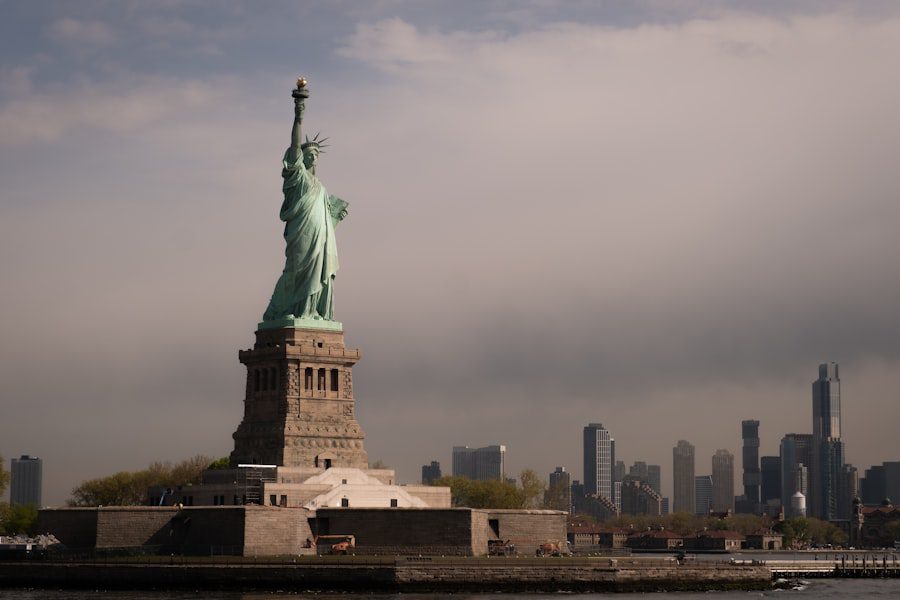
The relationship between liberty and human rights is intricate and interdependent. Human rights are often seen as the foundation upon which liberty is built; they provide the essential framework for protecting individual freedoms against infringement by both state and non-state actors. The Universal Declaration of Human Rights (UDHR), adopted by the United Nations in 1948, articulates fundamental rights that every person is entitled to regardless of nationality or status.
These rights include freedom of expression, assembly, and religion—core components of what many consider essential liberties. However, the realization of human rights is not uniform across the globe. In many countries, systemic inequalities and discrimination hinder individuals from fully enjoying their liberties.
Issues such as poverty, gender inequality, and racial discrimination create barriers that prevent marginalized groups from exercising their rights effectively. Therefore, promoting human rights is not merely an abstract ideal; it requires concrete actions aimed at dismantling these barriers and ensuring that all individuals can experience true liberty.
The Challenges to Liberty in the 21st Century
As we advance further into the 21st century, numerous challenges threaten the fabric of liberty worldwide. Authoritarianism is on the rise in various regions, with governments employing tactics such as censorship, surveillance, and repression to stifle dissenting voices. The erosion of democratic norms poses a significant risk to individual freedoms as citizens find themselves increasingly marginalized in political processes.
Additionally, global crises such as pandemics or climate change have prompted governments to implement emergency measures that can infringe upon civil liberties. While such actions may be justified in the name of public health or safety, they raise critical questions about accountability and transparency. Striking a balance between safeguarding public welfare and preserving individual freedoms remains one of the most pressing challenges facing societies today.
Nurturing Liberty: How Can We Protect and Promote It?
Protecting and promoting liberty requires concerted efforts at multiple levels—individual, community, governmental, and global. Education plays a vital role in nurturing an understanding of liberty among citizens. By fostering critical thinking skills and encouraging civic engagement from an early age, societies can cultivate informed citizens who value their rights and responsibilities.
Moreover, civil society organizations play an essential role in advocating for liberty by holding governments accountable and amplifying marginalized voices. Grassroots movements can mobilize communities around issues related to freedom and justice, creating spaces for dialogue and action. International cooperation is also crucial; global partnerships can help address transnational challenges to liberty while promoting shared values that transcend borders.
Ultimately, nurturing liberty requires a commitment to fostering environments where individuals can thrive—where diversity is celebrated, dialogue is encouraged, and justice prevails. By working together across cultural divides and recognizing our shared humanity, we can build a world where liberty flourishes for all people.