Resilience is often described as the ability to bounce back from adversity, but it encompasses much more than mere recovery. It is a dynamic process that involves adapting well in the face of challenges, trauma, or significant sources of stress. This capacity for resilience is not an innate trait; rather, it can be cultivated and strengthened over time through various experiences and intentional practices.
In a world that is constantly changing and often unpredictable, understanding resilience becomes essential for navigating life’s complexities. It allows individuals to face difficulties with courage and determination, fostering a sense of hope even in the darkest of times. At its core, resilience is about maintaining a positive outlook while acknowledging the reality of our circumstances.
It involves recognizing that setbacks are a part of life and that they can serve as opportunities for growth and learning. This perspective encourages individuals to view challenges not as insurmountable obstacles but as stepping stones toward personal development. By embracing resilience, we can foster a deeper understanding of ourselves and our capabilities, ultimately leading to a more fulfilling and meaningful life.
Key Takeaways
- Resilience involves adapting positively to challenges and setbacks.
- Accepting imperfections is crucial for personal growth and self-compassion.
- Embracing change helps individuals navigate life transitions more effectively.
- A growth mindset fosters learning and improvement from experiences.
- Building support networks and practicing self-care strengthen emotional well-being.
Recognizing Imperfections
In our pursuit of resilience, it is crucial to recognize and accept our imperfections. Society often promotes an unrealistic standard of perfection, leading many to feel inadequate or unworthy when they inevitably fall short. However, acknowledging our flaws is a vital step toward personal growth and resilience.
It allows us to embrace our humanity and understand that everyone faces struggles and shortcomings. By accepting our imperfections, we can cultivate self-compassion, which serves as a foundation for resilience. Recognizing imperfections also opens the door to vulnerability, which is often seen as a weakness but is, in fact, a source of strength.
When we allow ourselves to be vulnerable, we create authentic connections with others, fostering an environment where mutual support can thrive. This recognition helps us to understand that we are not alone in our struggles; rather, we are part of a shared human experience. By embracing our imperfections, we can build resilience not only within ourselves but also within our communities, promoting a culture of acceptance and understanding.
Embracing Change
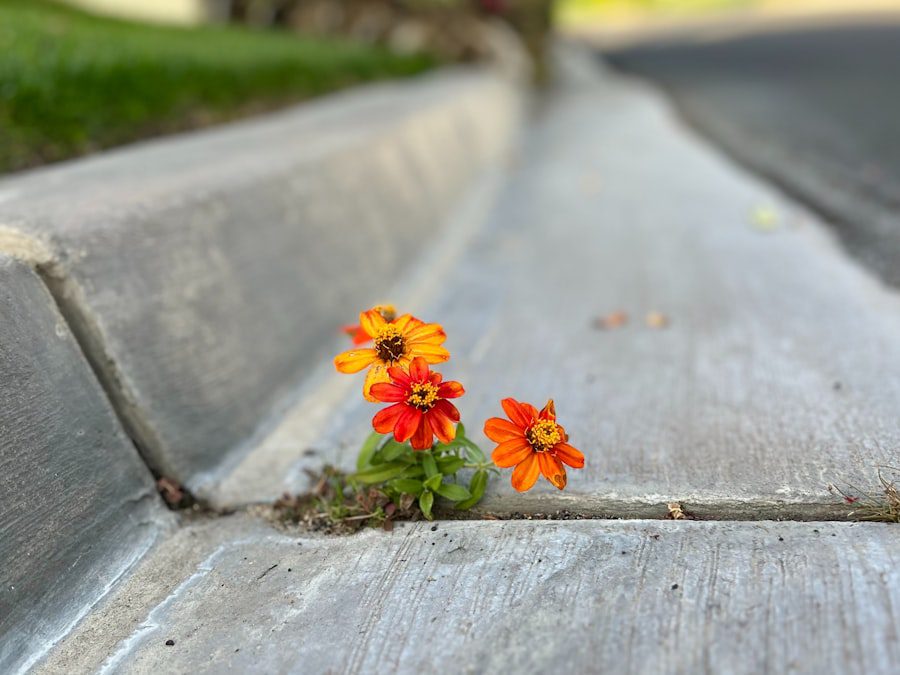
Change is an inevitable part of life, yet it often brings discomfort and uncertainty. Embracing change is essential for developing resilience, as it allows us to adapt to new circumstances and challenges. Rather than resisting change or fearing the unknown, we can choose to view it as an opportunity for growth and transformation.
This shift in perspective enables us to approach life’s transitions with curiosity and openness, fostering a sense of agency in our lives. Moreover, embracing change encourages us to let go of rigid expectations and embrace flexibility. Life rarely unfolds according to our plans, and by accepting this reality, we can cultivate resilience in the face of unexpected events.
This adaptability not only enhances our ability to cope with challenges but also enriches our experiences by allowing us to discover new possibilities and avenues for growth. In this way, embracing change becomes a powerful tool for personal development and resilience.
Cultivating a Growth Mindset
A growth mindset is the belief that our abilities and intelligence can be developed through dedication and hard work. This perspective fosters a love for learning and resilience in the face of challenges. When we cultivate a growth mindset, we view failures not as reflections of our worth but as valuable opportunities for learning and improvement.
This shift in thinking empowers us to take risks, embrace challenges, and persist in the face of setbacks. Cultivating a growth mindset also encourages us to seek feedback and learn from others. By surrounding ourselves with individuals who inspire us and challenge us to grow, we create an environment conducive to resilience.
This collaborative approach fosters a sense of community and shared purpose, reinforcing the idea that we are all on a journey of growth together. Ultimately, embracing a growth mindset allows us to navigate life’s challenges with confidence and optimism.
Developing Coping Strategies
Effective coping strategies are essential tools for building resilience. These strategies help us manage stress, navigate difficult emotions, and maintain our well-being during challenging times. Developing a diverse toolkit of coping mechanisms allows us to respond to adversity in ways that promote healing and growth.
Some effective coping strategies include mindfulness practices, physical activity, creative expression, and seeking social support. Mindfulness practices, such as meditation or deep breathing exercises, can help ground us in the present moment and reduce feelings of anxiety or overwhelm. Physical activity not only boosts our mood but also enhances our overall well-being by releasing endorphins that promote feelings of happiness.
Creative expression through art, writing, or music provides an outlet for processing emotions and can serve as a powerful form of self-care. Additionally, seeking social support from friends, family, or community members fosters connection and reminds us that we are not alone in our struggles.
Building a Support Network

A strong support network is vital for cultivating resilience. Relationships with family, friends, mentors, and community members provide emotional support during difficult times and offer diverse perspectives on challenges we may face. Building these connections requires intentional effort; it involves reaching out to others, being vulnerable about our struggles, and actively participating in relationships that nurture our well-being.
Moreover, a supportive network fosters accountability and encouragement as we navigate life’s ups and downs. When we surround ourselves with individuals who uplift us and challenge us to grow, we create an environment where resilience can flourish. This network serves as a reminder that we are part of something larger than ourselves—a community that values connection, empathy, and mutual support.
By investing in these relationships, we not only enhance our own resilience but also contribute to the well-being of those around us.
Practicing Self-Care
Self-care is often misunderstood as indulgence or selfishness; however, it is an essential component of building resilience. Taking time for ourselves allows us to recharge physically, emotionally, and spiritually. Engaging in self-care practices—whether through exercise, hobbies, relaxation techniques, or simply taking time to rest—enables us to maintain balance in our lives and better cope with stressors.
Practicing self-care also involves setting boundaries and prioritizing our needs. In a fast-paced world that often demands more than we can give, learning to say no or delegate responsibilities is crucial for preserving our well-being. By recognizing the importance of self-care, we empower ourselves to show up fully for others while also nurturing our own resilience.
Ultimately, self-care is not just about individual well-being; it contributes to the collective health of our communities by fostering individuals who are better equipped to support one another.
Finding Meaning and Purpose
At the heart of resilience lies the quest for meaning and purpose. When faced with adversity, individuals who can find significance in their experiences are more likely to persevere and thrive. This search for meaning often involves reflecting on our values, beliefs, and passions—elements that shape our identity and guide our actions.
By aligning our lives with what truly matters to us, we cultivate a sense of purpose that fuels our resilience. Finding meaning can also involve serving others or contributing to causes greater than ourselves. Engaging in acts of kindness or volunteering within our communities fosters connection and reinforces the idea that we are part of something larger than ourselves.
This sense of belonging enhances our resilience by reminding us that even in difficult times, we have the capacity to make a positive impact on the world around us. Ultimately, discovering meaning and purpose empowers us to navigate life’s challenges with hope and determination while promoting human flourishing within society as a whole. In conclusion, cultivating resilience is an ongoing journey that requires intentional effort across various dimensions of life.
By understanding resilience as a dynamic process rooted in acceptance of imperfections, embracing change, fostering a growth mindset, developing coping strategies, building supportive networks, practicing self-care, and finding meaning and purpose, we can navigate life’s challenges with grace and strength. As we embark on this journey together—recognizing our shared humanity—we contribute not only to our own flourishing but also to the creation of a wise and moral society where all individuals can thrive.