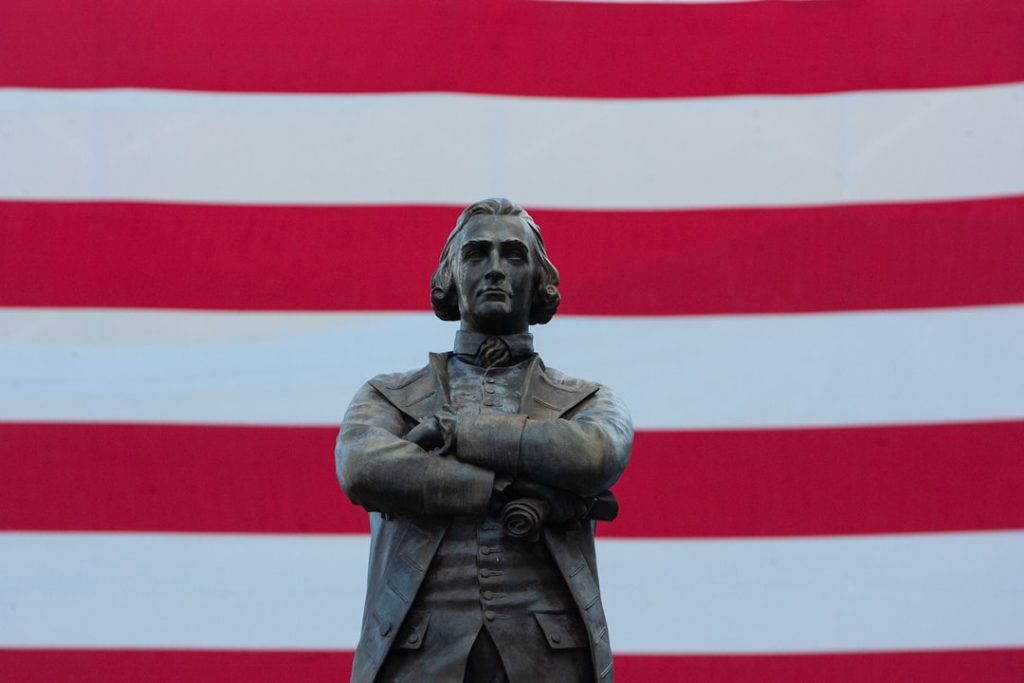
A Liberty Proclamation is a formal declaration that establishes principles of freedom, human dignity, and equal treatment for all individuals. These documents typically outline commitments to protect civil rights and promote social justice within communities or organizations. Liberty Proclamations have historically served as tools for articulating shared values and establishing frameworks for addressing inequality and discrimination.
The primary function of a Liberty Proclamation is to unite communities around common principles of justice and equality. These declarations formally recognize the need to address systemic inequalities and establish clear commitments to civil rights advocacy. By issuing such proclamations, organizations and communities create public accountability mechanisms for promoting equal treatment and protecting individual freedoms.
This examination will analyze the historical development of Liberty Proclamations, their role in contemporary civil rights movements, and their effectiveness as instruments for social change and community mobilization. The analysis will consider how these declarations have been used to advance equality initiatives and their impact on institutional reform efforts.
Key Takeaways
- Liberty proclamations have deep historical roots and continue to influence modern civil rights movements.
- They play a crucial role in promoting equality, justice, and individual freedoms in society.
- Successful implementation of liberty proclamations requires active community engagement and support.
- Cities face various challenges and obstacles when establishing liberty proclamations, including political and social resistance.
- The future of liberty proclamations depends on ongoing advocacy to strengthen civil rights and social justice.
Historical Context of Liberty Proclamations
The roots of Liberty Proclamations can be traced back to pivotal moments in history when the cry for freedom echoed through the hearts of oppressed peoples. From the Emancipation Proclamation issued by President Abraham Lincoln in 1863, which declared the freedom of enslaved individuals in Confederate states, to various civil rights movements that sought to dismantle segregation and discrimination, these proclamations have served as powerful instruments of change. They symbolize not only a legal acknowledgment of rights but also a moral imperative to confront injustices head-on.
Throughout history, proclamations of liberty have often emerged during times of great social upheaval. The American Revolution, for instance, was fueled by a desire for self-determination and the belief that all men are created equal. Similarly, the abolitionist movement harnessed the power of proclamations to challenge the status quo and advocate for the inherent dignity of every human being.
These historical precedents remind us that liberty is not merely a privilege but a fundamental right that must be actively defended and proclaimed in every generation.
Importance of Liberty Proclamations in Modern Society
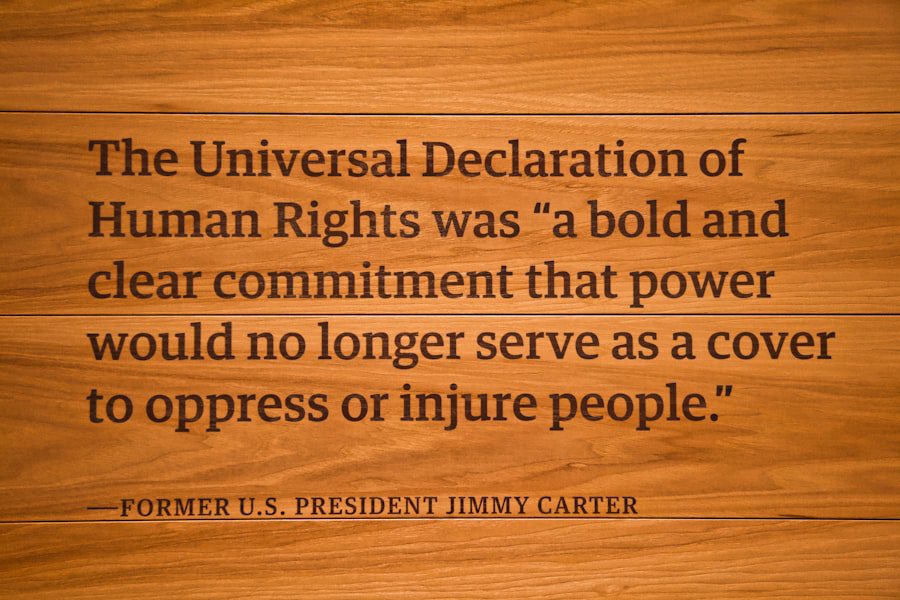
In today’s world, where divisions often overshadow our shared humanity, Liberty Proclamations hold immense significance. They serve as a clarion call for individuals and communities to unite in pursuit of justice and equality. In an era marked by social media activism and grassroots movements, proclamations can amplify voices that have long been marginalized, fostering a culture of inclusivity and understanding.
By publicly declaring our commitment to liberty, we create spaces where dialogue can flourish, allowing diverse perspectives to be heard and valued. Moreover, Liberty Proclamations can act as catalysts for policy change at local, state, and national levels. When communities come together to advocate for liberty, they can influence lawmakers and decision-makers to prioritize justice and equality in their agendas.
This collective action not only empowers individuals but also reinforces the idea that we are all stewards of our society’s moral fabric. In this way, proclamations become more than mere words; they transform into actionable commitments that inspire tangible change.
The Impact of Liberty Proclamations on Civil Rights
The impact of Liberty Proclamations on civil rights cannot be overstated. They have historically played a crucial role in advancing the rights of marginalized groups and challenging oppressive systems. For instance, during the Civil Rights Movement, leaders like Martin Luther King Jr.
utilized proclamations to articulate their vision for a just society, inspiring countless individuals to join the fight against racial injustice. These declarations not only galvanized public support but also provided a moral framework for understanding the urgency of civil rights issues. In contemporary society, Liberty Proclamations continue to shape the landscape of civil rights advocacy.
They serve as foundational documents that articulate the values and principles upon which movements are built. By proclaiming liberty, advocates can draw attention to systemic injustices such as racial discrimination, gender inequality, and economic disparity. Furthermore, these proclamations can foster solidarity among diverse groups, uniting them under a common banner of justice and equality.
The ripple effect of such unity can lead to significant advancements in civil rights legislation and societal attitudes.
Implementing a Liberty Proclamation in Your City
Implementing a Liberty Proclamation within your city requires thoughtful planning and community involvement. The first step is to engage local leaders, activists, and residents in discussions about the values and principles that should underpin the proclamation. This collaborative approach ensures that diverse voices are heard and that the proclamation reflects the unique needs and aspirations of the community.
Organizing town hall meetings or forums can provide platforms for dialogue and brainstorming, fostering a sense of ownership among community members. Once a draft proclamation is developed, it is essential to create awareness and build support within the community. This can be achieved through social media campaigns, informational sessions, and partnerships with local organizations.
Engaging schools, faith-based groups, and civic organizations can help amplify the message and encourage widespread participation. Ultimately, presenting the proclamation to local government officials for endorsement or adoption can solidify its significance and demonstrate a collective commitment to liberty and justice.
Challenges and Obstacles in Establishing a Liberty Proclamation
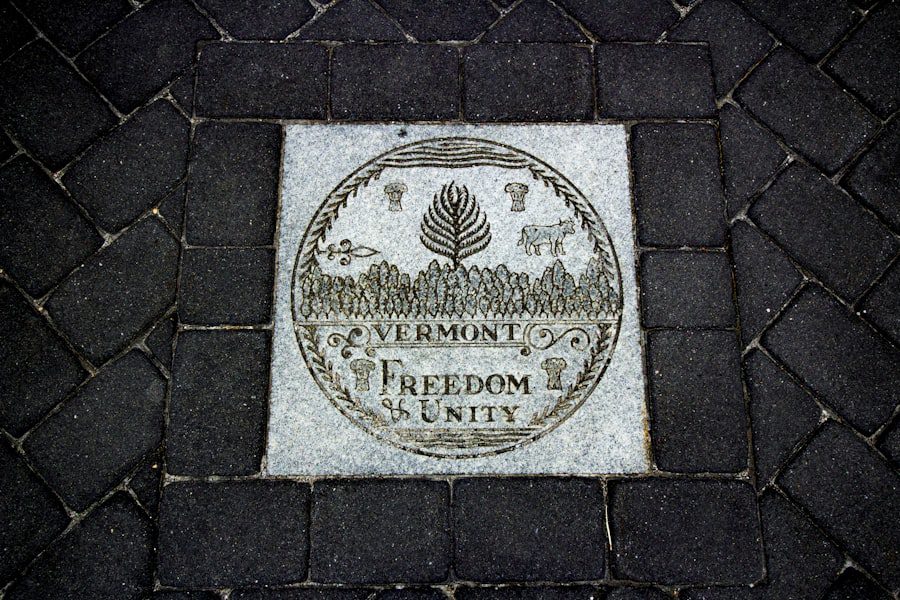
While the establishment of a Liberty Proclamation is a noble endeavor, it is not without its challenges. One significant obstacle may be resistance from individuals or groups who feel threatened by changes to the status quo. Fear of losing power or privilege can lead to pushback against proclamations that seek to promote equality and justice.
It is crucial for advocates to approach these conversations with empathy and understanding, recognizing that change can be unsettling for some. Additionally, navigating bureaucratic processes can pose challenges when seeking official endorsement from local government entities. The complexities of policy-making may require persistence and strategic advocacy efforts to ensure that the proclamation gains traction.
Building coalitions with like-minded organizations can strengthen advocacy efforts and provide additional resources for overcoming these hurdles. Ultimately, perseverance in the face of challenges is essential for realizing the vision of a more just society through Liberty Proclamations.
The Role of Community Engagement in Supporting a Liberty Proclamation
Community engagement is vital in supporting a Liberty Proclamation’s success and sustainability. When individuals feel invested in the process, they are more likely to champion its principles within their networks. Engaging community members through educational initiatives can foster understanding about the importance of liberty and justice while encouraging active participation in advocacy efforts.
Workshops, seminars, and outreach programs can help demystify complex issues related to civil rights and empower individuals to take action. Moreover, ongoing community engagement ensures that the proclamation remains relevant over time. As societal dynamics evolve, it is essential for communities to revisit their commitments to liberty and justice regularly.
Establishing feedback mechanisms allows residents to voice their concerns and suggestions for improvement, fostering a culture of accountability and responsiveness. By nurturing an engaged community, we create an environment where liberty is not just proclaimed but actively lived out in everyday interactions.
The Future of Liberty Proclamations in Promoting Equality and Justice
Looking ahead, the future of Liberty Proclamations holds great promise for promoting equality and justice across diverse communities. As societal awareness regarding issues such as systemic racism, gender inequality, and economic disparity continues to grow, proclamations can serve as powerful tools for mobilizing collective action. They provide a framework for articulating shared values while inspiring individuals to advocate for meaningful change within their spheres of influence.
Furthermore, as technology advances and communication channels expand, the potential for widespread dissemination of Liberty Proclamations increases significantly. Social media platforms can amplify messages of justice and equality beyond geographical boundaries, fostering global solidarity among those who seek liberty for all. In this interconnected world, proclamations can transcend local contexts, inspiring movements that resonate with universal human rights principles.
In conclusion, Liberty Proclamations represent more than mere declarations; they embody our collective commitment to fostering a wise and moral society rooted in justice and equality. By understanding their historical context, recognizing their importance in modern society, and actively engaging communities in their implementation, we can harness their transformative potential for civil rights advocacy. As we navigate challenges together and cultivate community support, we pave the way for a future where liberty is not just proclaimed but realized—a future where every individual flourishes in dignity and respect.