The sanctity of human life is a core principle in Christian theology that guides ethical considerations in society. This concept asserts that all humans, created in God’s image according to Genesis 1:27, possess inherent value regardless of their circumstances, status, or contributions. This divine connection establishes a moral framework that advocates for respecting and protecting life at every stage.
In contemporary society, where violence and devaluation of human life occur, acknowledging life’s sanctity becomes essential. This principle informs perspectives on issues including abortion, euthanasia, and systemic violence. Upholding life’s sanctity involves advocating for vulnerable populations—including unborn children, elderly individuals, and marginalized communities—ensuring they receive dignified treatment.
This commitment extends beyond theological doctrine to practical action aimed at fostering a society where all individuals are valued and protected.
Key Takeaways
- Human life holds inherent sanctity and deserves respect.
- Every individual possesses intrinsic worth and dignity.
- Equality and human rights are fundamental to a just society.
- Human life significantly influences societal growth and development.
- Ethical responsibility includes protecting and valuing diverse lives.
Intrinsic Worth and Dignity
The intrinsic worth and dignity of every person are central tenets that flow from the understanding of life’s sanctity. Each individual is not defined by their achievements, wealth, or social standing but by their inherent value as a human being. This perspective challenges societal norms that often prioritize productivity over personhood, urging us to see beyond superficial measures of worth.
In recognizing that every person is created with purpose and intention, we cultivate an environment where compassion and empathy flourish. Moreover, acknowledging intrinsic worth fosters a sense of belonging and community. When individuals are valued for who they are rather than what they can do, it creates a foundation for healthy relationships and social cohesion.
This understanding encourages us to engage with one another in ways that uplift and empower, rather than diminish or dehumanize. In a society where dignity is upheld, individuals are more likely to thrive, contributing positively to their communities and enriching the collective human experience.
Equality and Human Rights

Equality is a natural extension of recognizing the intrinsic worth of every individual. The belief that all people are created equal is not merely a political statement; it is a profound moral conviction rooted in the understanding of our shared humanity. This principle calls for the dismantling of systems that perpetuate inequality and injustice, advocating for a society where everyone has access to basic rights and opportunities.
The Christian call to love one’s neighbor as oneself serves as a powerful motivator for pursuing equality and justice in all spheres of life. Human rights emerge from this commitment to equality, providing a framework for protecting individuals from oppression and discrimination. The Universal Declaration of Human Rights articulates these rights as inherent to all people, regardless of race, gender, or belief.
As Christians, we are called to champion these rights, recognizing that advocating for justice is an expression of our faith. By standing against injustice and inequality, we not only honor the dignity of others but also reflect the heart of God’s love for humanity.
The Impact of Human Life on Society
The impact of human life on society is profound and multifaceted. Each person brings unique gifts, perspectives, and experiences that contribute to the rich tapestry of community life. When individuals are valued and empowered, they can make meaningful contributions that enhance societal well-being.
Conversely, when life is devalued or marginalized, society suffers from a loss of potential and creativity. This dynamic underscores the importance of fostering environments where every individual can thrive. Moreover, the collective impact of human life extends beyond individual contributions; it shapes cultural narratives and societal values.
A society that prioritizes the sanctity of life cultivates compassion, empathy, and mutual respect among its members. This cultural ethos not only benefits individuals but also strengthens communities by promoting collaboration and understanding. In contrast, a society that neglects the value of human life often grapples with division, conflict, and despair.
Therefore, recognizing and celebrating the impact of human life is essential for building a flourishing society.
Human Potential and Contribution
Human potential is boundless when nurtured within an environment that values life and dignity. Each person possesses unique talents and abilities that can be harnessed for the greater good. Encouraging individuals to explore their potential not only benefits them personally but also enriches society as a whole.
When people are empowered to pursue their passions and contribute their gifts, they become agents of positive change within their communities. Furthermore, fostering human potential requires intentional investment in education, mentorship, and support systems that enable individuals to thrive. This investment reflects a commitment to valuing each person’s journey and recognizing their capacity for growth and development.
By creating pathways for success and encouraging collaboration among diverse voices, we can unlock the full potential of humanity. In doing so, we not only honor individual contributions but also cultivate a culture of innovation and progress.
Protecting and Valuing Human Life
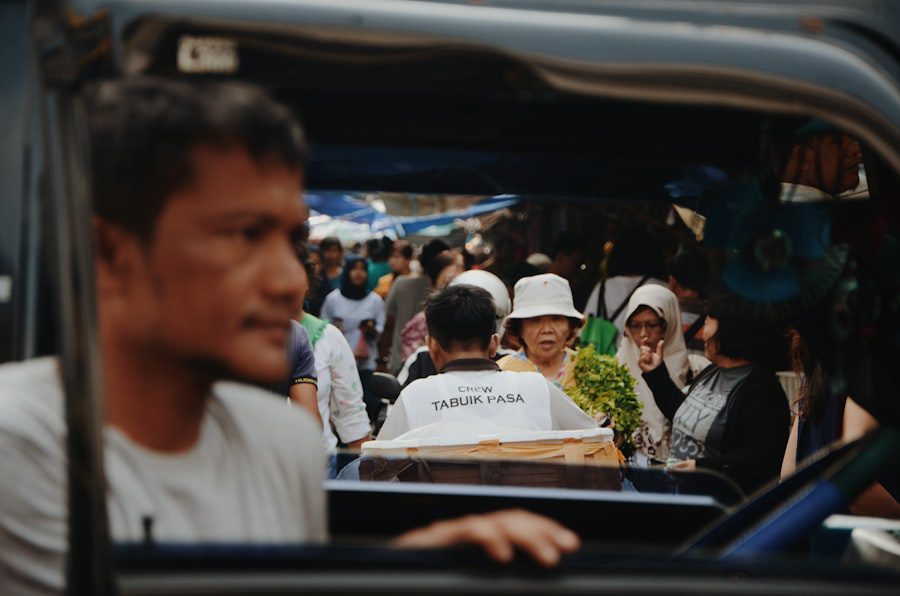
Protecting and valuing human life necessitates proactive engagement in various spheres—political, social, and personal. It involves advocating for policies that safeguard the rights of the vulnerable while promoting initiatives that enhance quality of life for all individuals. This commitment extends beyond mere rhetoric; it requires tangible actions that reflect our belief in the sanctity of life.
Whether through supporting healthcare access, fighting against poverty, or advocating for social justice, our efforts must align with our values. Moreover, valuing human life means fostering relationships built on trust and respect. In our personal interactions, we have the opportunity to affirm the worth of others through kindness, understanding, and support.
By creating spaces where individuals feel seen and heard, we contribute to a culture that honors life in all its forms. This relational aspect is crucial; it reminds us that protecting human life is not solely about policies but also about cultivating a community where love and compassion reign.
Ethical Considerations and Moral Responsibility
Ethical considerations surrounding human life are complex yet essential in navigating contemporary societal challenges. As we confront issues such as bioethics, end-of-life decisions, and social justice concerns, we must ground our discussions in moral responsibility informed by our faith. The Christian perspective offers valuable insights into these dilemmas, emphasizing the importance of love, justice, and stewardship in our decision-making processes.
Moral responsibility compels us to consider the implications of our choices on others’ lives. It challenges us to engage thoughtfully with ethical dilemmas while seeking solutions that honor both individual dignity and communal well-being. In this pursuit, we must remain vigilant against complacency or indifference toward suffering or injustice.
Instead, we are called to be active participants in promoting ethical standards that reflect our commitment to valuing human life.
Celebrating Diversity and Individuality
Celebrating diversity and individuality enriches our understanding of what it means to be human. Each person’s unique background, culture, and experiences contribute to the vibrant mosaic of society. Embracing this diversity fosters an environment where individuals feel valued for who they are rather than conforming to societal expectations or norms.
In doing so, we create spaces where creativity flourishes and innovation thrives. Moreover, celebrating individuality aligns with the Christian call to love one another authentically. It invites us to appreciate differences while recognizing our shared humanity.
By engaging with diverse perspectives and experiences, we deepen our understanding of one another and cultivate empathy across cultural divides. This celebration of diversity not only enhances personal relationships but also strengthens communities by fostering inclusivity and mutual respect. In conclusion, recognizing the sanctity of human life is foundational to building a wise and moral society that promotes reconciliation and human flourishing.
By affirming intrinsic worth and dignity, advocating for equality and human rights, valuing individual contributions, protecting vulnerable populations, engaging in ethical considerations, and celebrating diversity, we can create a world where every person is cherished as a reflection of God’s image. As we strive toward this vision, let us remember that our actions today shape the legacy we leave for future generations—a legacy rooted in love, compassion, and unwavering respect for human life.