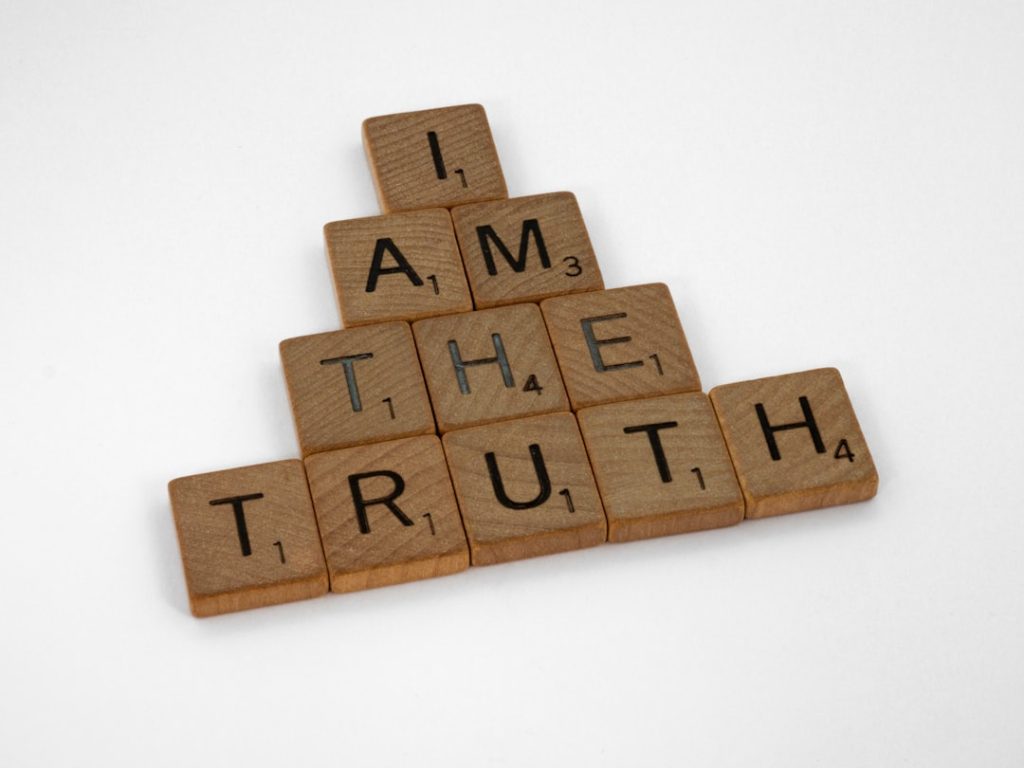
Rhetoric is the systematic study and practice of persuasive communication through spoken and written language. This discipline originated in ancient Greece around the 5th century BCE, where philosophers like Aristotle developed foundational theories that remain influential today. Rhetoric encompasses three primary modes of persuasion: ethos (credibility of the speaker), pathos (emotional appeal), and logos (logical reasoning).
Throughout history, rhetorical skills have played significant roles in political movements, legal proceedings, and social change. Historical examples include speeches that mobilized populations during wartime, civil rights addresses that advanced social justice, and diplomatic communications that prevented conflicts. Effective rhetoric combines strategic word choice, structural organization, and audience analysis to achieve specific communicative goals.
Contemporary applications of rhetoric extend beyond traditional oratory to include digital media, advertising, and public relations. Social media platforms have created new rhetorical contexts where persuasive techniques reach global audiences instantaneously. Research in communication studies demonstrates that rhetorical strategies can influence public opinion, consumer behavior, and political participation.
Critical evaluation of rhetorical content requires analyzing the speaker’s credentials, examining evidence quality, and identifying potential logical fallacies. Common manipulative techniques include false dichotomies, ad hominem attacks, and appeals to fear rather than reason. Media literacy education emphasizes the importance of distinguishing between evidence-based arguments and emotionally manipulative content.
Understanding rhetorical principles enables individuals to both communicate more effectively and evaluate persuasive messages more critically.
Key Takeaways
- Rhetoric significantly influences public opinion and perception of truth.
- Media plays a crucial role in shaping and sometimes distorting rhetoric.
- Critical thinking is essential to discern truth amid persuasive messaging.
- Confirmation bias reinforces false beliefs and challenges objective understanding.
- Combating fake news requires proactive strategies to protect the integrity of truth.
The Erosion of Truth
In recent years, the concept of truth has faced unprecedented challenges. The erosion of truth is not merely a philosophical concern; it has tangible implications for society. As individuals and communities grapple with competing narratives, the very foundation of trust begins to crumble.
When truth becomes subjective, it opens the door to relativism, where facts are molded to fit personal beliefs rather than being upheld as objective realities. This shift has profound consequences, as it undermines our ability to engage in meaningful dialogue and work towards common goals. The erosion of truth is further exacerbated by a culture that often prioritizes sensationalism over substance.
In an age where attention spans are fleeting and information is consumed in bite-sized pieces, the depth of understanding is sacrificed for the sake of immediacy. This trend not only distorts our perception of reality but also fosters an environment where misinformation can thrive. As we navigate this landscape, it is crucial to recognize that truth is not merely an abstract concept; it is essential for human flourishing and societal cohesion.
Without a shared commitment to truth, we risk descending into chaos, where division reigns and reconciliation becomes increasingly elusive.
The Role of Media in Shaping Rhetoric

Media plays a pivotal role in shaping public discourse and influencing perceptions of truth. In an era dominated by digital platforms, the way information is disseminated has transformed dramatically. Traditional media outlets have been joined by social media channels, where anyone with an internet connection can become a purveyor of information—or misinformation.
This democratization of information has its merits, allowing diverse voices to be heard; however, it also presents significant challenges in discerning credible sources from those that propagate falsehoods. The media’s role in shaping rhetoric extends beyond mere reporting; it actively constructs narratives that can sway public opinion. The framing of issues, the selection of language, and the emphasis placed on certain aspects over others all contribute to how audiences perceive reality.
In this context, it becomes essential for consumers of media to approach information critically, questioning not only what is being said but also how it is being presented. By fostering a culture of media literacy, we empower individuals to navigate the complexities of modern communication and engage with rhetoric in a way that promotes understanding rather than division.
The Importance of Critical Thinking
Critical thinking serves as a vital antidote to the challenges posed by rhetoric and misinformation. It equips individuals with the tools necessary to analyze arguments, evaluate evidence, and discern fact from fiction. In a world inundated with information, the ability to think critically is more important than ever.
It allows us to engage thoughtfully with diverse perspectives while remaining anchored in our commitment to truth. Moreover, critical thinking fosters a spirit of inquiry that encourages dialogue rather than debate. When we approach discussions with an open mind and a willingness to listen, we create space for genuine understanding and reconciliation.
This process not only enriches our own perspectives but also cultivates a culture where differing viewpoints can coexist harmoniously. By prioritizing critical thinking in our educational systems and communities, we lay the groundwork for a society that values wisdom and moral integrity—one that seeks to restore harmony amidst the cacophony of competing narratives.
The Impact of Confirmation Bias
Confirmation bias—the tendency to seek out information that aligns with our preexisting beliefs—poses a significant barrier to understanding and reconciliation. This cognitive bias leads individuals to filter out opposing viewpoints, reinforcing their existing convictions while dismissing alternative perspectives as invalid or misguided. In an age where echo chambers proliferate through social media algorithms, confirmation bias can create insular communities that are resistant to change or dialogue.
The implications of confirmation bias extend beyond individual beliefs; they shape societal dynamics as well. When entire groups become entrenched in their views, it becomes increasingly difficult to bridge divides or find common ground. This polarization not only stifles constructive discourse but also perpetuates misunderstandings and animosities that hinder progress.
To counteract confirmation bias, we must cultivate a willingness to engage with diverse perspectives and challenge our assumptions. By doing so, we open ourselves up to growth and transformation—both personally and collectively.
The Rise of Fake News

The rise of fake news represents one of the most pressing challenges in contemporary society. Misinformation spreads rapidly across digital platforms, often outpacing efforts to debunk it. The consequences are far-reaching: public trust in institutions erodes, social cohesion diminishes, and individuals become increasingly skeptical of legitimate sources of information.
In this environment, discerning truth from falsehood becomes an arduous task that requires vigilance and discernment. Fake news thrives on sensationalism and emotional appeal, often exploiting fears and biases to gain traction. As consumers of information, we must remain vigilant against these tactics by seeking out credible sources and verifying claims before accepting them as truth.
Additionally, fostering a culture that values transparency and accountability in journalism is essential for combating the spread of misinformation. By prioritizing integrity in reporting and encouraging responsible consumption of news, we can work towards restoring trust in media and promoting a more informed society.
Strategies for Defending Truth
Defending truth in an age characterized by rhetoric and misinformation requires intentionality and resilience. One effective strategy is to cultivate a community committed to truth-seeking—a network of individuals who prioritize integrity in their discourse and hold one another accountable for their words and actions. By fostering relationships built on trust and mutual respect, we create an environment where honest dialogue can flourish.
Another crucial strategy involves promoting media literacy across all age groups. Educating individuals on how to critically evaluate sources, recognize bias, and discern fact from opinion empowers them to navigate the complexities of modern communication effectively. Workshops, discussions, and resources aimed at enhancing media literacy can equip individuals with the skills necessary to engage thoughtfully with information while resisting the allure of sensationalism.
The Future of Truth in a World of Rhetoric
As we look towards the future, the question remains: what will become of truth in a world increasingly dominated by rhetoric? While challenges abound, there is also hope for renewal and restoration. By prioritizing critical thinking, fostering media literacy, and cultivating communities committed to truth-seeking, we can work towards a society where truth is upheld as a shared value.
Ultimately, the future of truth hinges on our collective commitment to engage with one another authentically and compassionately. In a world rife with division and misunderstanding, we must strive to be voices of reason and advocates for reconciliation. By embracing our shared humanity and recognizing the inherent dignity in every individual, we can create a culture that values truth as a foundation for flourishing—a society where rhetoric serves not as a weapon but as a bridge towards understanding and unity.