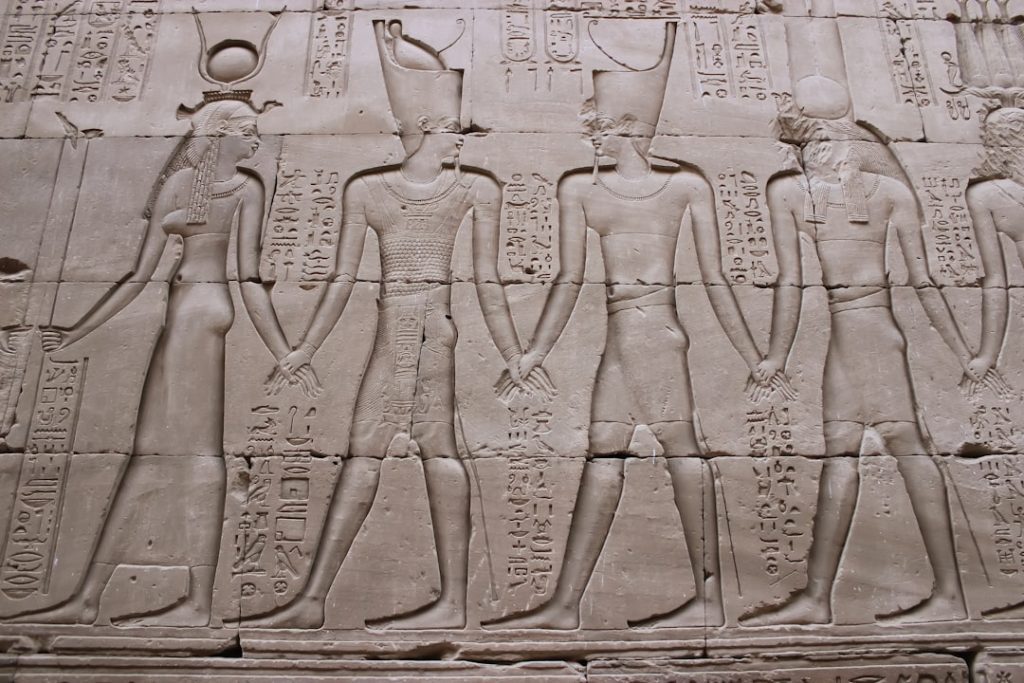
Throughout history, leadership has been closely associated with power and authority. Ancient Egyptian Pharaohs held absolute control over their subjects and were considered divine rulers who shaped societal structures. Contemporary society has witnessed the emergence of what can be termed “Mini-Pharaohs” – individuals who exercise significant influence over public opinion, cultural trends, and political discourse despite lacking formal governmental authority.
These modern influential figures operate differently from traditional centralized power structures. They emerge from various sectors including entertainment, business, technology, and social media platforms. Their influence stems primarily from public visibility, personal charisma, and media presence rather than formal credentials or institutional expertise.
This represents a fundamental shift in how authority is established and maintained in contemporary society. The Mini-Pharaoh phenomenon raises important questions about modern leadership structures and the extent of responsibility that accompanies public influence. These individuals can shape public discourse, consumer behavior, and social movements through their platforms and followings.
Understanding their role and impact is crucial for analyzing how contemporary society forms opinions, establishes cultural norms, and responds to various social and political issues.
Key Takeaways
- Mini-Pharaohs symbolize modern figures wielding significant influence in various societal domains.
- Their rise has reshaped political power dynamics and public leadership perceptions.
- Social media amplifies their celebrity status, affecting cultural trends and public opinion.
- Economically, Mini-Pharaohs drive substantial market impact through branding and endorsements.
- Society faces psychological and ethical challenges in balancing admiration with critical awareness of their influence.
The Rise of Mini-Pharaohs in Modern Society
The rise of mini-pharaohs can be traced back to the advent of social media and the democratization of information. Platforms like Instagram, Twitter, and TikTok have enabled individuals to cultivate personal brands that resonate with millions. Unlike traditional leaders who often relied on institutional power or hereditary privilege, these modern influencers harness the power of relatability and engagement.
They create a sense of intimacy with their followers, fostering a community that often feels more like a family than a fan base. This shift has blurred the lines between celebrity and authority, allowing figures who may lack formal qualifications to wield significant influence over public discourse. Moreover, the cultural landscape has shifted dramatically in favor of those who can capture attention and maintain relevance.
The mini-pharaohs of today are adept at navigating this landscape, using their platforms to promote not only products but also ideologies and lifestyles. This phenomenon is particularly evident in the realm of politics, where influencers can sway public opinion with a single post or video. The ability to mobilize followers around specific causes or candidates has transformed the political arena into a battleground for attention rather than ideas.
As we explore this rise further, it becomes clear that the implications extend far beyond mere popularity; they touch upon the very essence of democratic engagement and civic responsibility.
The Influence of Mini-Pharaohs on Politics and Power
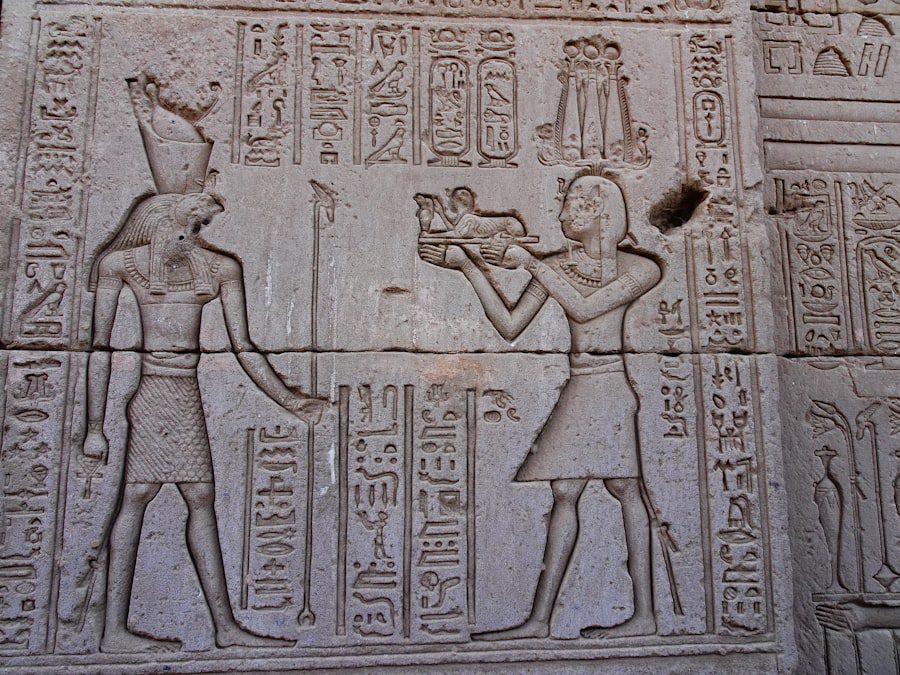
The influence of mini-pharaohs on politics is profound and multifaceted. In an age where traditional media outlets are often viewed with skepticism, these figures have emerged as trusted voices for many. Their ability to connect with audiences on a personal level allows them to frame political narratives in ways that resonate deeply with their followers.
This phenomenon has led to a new form of populism, where charisma and relatability can overshadow policy expertise and experience. As a result, political discourse has become increasingly polarized, with mini-pharaohs often leading the charge in shaping public opinion around divisive issues. Furthermore, the rise of mini-pharaohs has altered the dynamics of political campaigns.
Candidates now recognize the necessity of aligning themselves with influential figures to gain traction among younger voters. This trend has given rise to a new breed of political endorsements—those that come not from seasoned politicians but from social media stars who can mobilize their followers with a simple tweet or Instagram story. While this shift can energize political engagement among disenfranchised demographics, it also raises concerns about the depth of understanding that followers may have regarding complex issues.
The challenge lies in ensuring that this newfound engagement translates into informed civic participation rather than mere performative activism.
The Impact of Mini-Pharaohs on Social Media and Celebrity Culture
The impact of mini-pharaohs on social media and celebrity culture is both transformative and troubling. In an era where virality often trumps substance, these figures have redefined what it means to be a celebrity. No longer confined to the realms of film or music, celebrity status now extends to influencers who curate their lives for public consumption.
This shift has created a culture where authenticity is prized, yet it often exists in tension with the curated nature of social media personas. Followers are drawn to the perceived authenticity of mini-pharaohs, yet they are simultaneously engaging with highly edited versions of reality. This dynamic has significant implications for societal values and aspirations.
The lifestyles promoted by mini-pharaohs often emphasize materialism, beauty standards, and success defined by external validation. As young people consume this content, they may internalize these ideals as benchmarks for their own lives. The pressure to conform to these standards can lead to feelings of inadequacy and anxiety among followers who struggle to measure up.
In this context, it becomes crucial to foster critical media literacy skills that empower individuals to navigate this landscape thoughtfully and discernibly.
The Economic Power of Mini-Pharaohs
The economic power wielded by mini-pharaohs is staggering and continues to grow exponentially. Influencers have become key players in marketing strategies for brands seeking to tap into their vast audiences. The rise of influencer marketing has transformed traditional advertising models, as companies recognize that endorsements from relatable figures can yield higher returns than conventional celebrity endorsements.
This shift has created a new economy centered around personal branding, where individuals can monetize their influence through sponsorships, merchandise sales, and even direct fan contributions. However, this economic power also raises ethical questions about consumerism and authenticity. As mini-pharaohs promote products and lifestyles, there is an inherent responsibility to ensure transparency and honesty in their endorsements.
Followers often place immense trust in these figures, believing that their recommendations stem from genuine experiences rather than financial incentives. The challenge lies in maintaining this trust while navigating the complexities of commercial partnerships. As society grapples with these issues, it becomes essential to advocate for ethical practices within influencer culture that prioritize authenticity over profit.
The Psychological Effects of Mini-Pharaohs on Society
The psychological effects of mini-pharaohs on society are profound and multifaceted. On one hand, these figures can serve as sources of inspiration and motivation for individuals seeking guidance or affirmation in their lives. Their stories often resonate with followers who see reflections of their own struggles and aspirations in the curated narratives presented online.
This connection can foster a sense of community and belonging among followers who feel understood by their mini-pharaohs. On the other hand, the constant exposure to idealized lifestyles can lead to detrimental psychological effects. The pressure to conform to unrealistic standards set by these figures can result in feelings of inadequacy, anxiety, and depression among followers who compare themselves unfavorably to curated images of success and happiness.
Additionally, the addictive nature of social media can exacerbate these feelings as individuals find themselves trapped in cycles of comparison and validation-seeking behavior. It is crucial for society to recognize these psychological impacts and promote healthy engagement with social media that prioritizes mental well-being over superficial validation.
The Ethical and Moral Implications of Mini-Pharaohs
The ethical and moral implications surrounding mini-pharaohs are complex and warrant careful consideration. As figures who wield significant influence over public opinion and behavior, they bear a responsibility to act with integrity and authenticity. However, the allure of fame and financial gain can sometimes lead individuals astray from these principles.
The promotion of harmful ideologies or products for personal gain raises ethical questions about accountability in influencer culture. Moreover, the moral landscape becomes even more intricate when considering issues such as mental health advocacy or social justice movements championed by mini-pharaohs. While many use their platforms for positive change, others may exploit these causes for personal branding without genuine commitment to the issues at hand.
This performative activism can dilute meaningful discourse and undermine efforts toward social justice by prioritizing visibility over substantive action. As society navigates this landscape, it becomes essential to hold mini-pharaohs accountable for their influence while encouraging ethical practices that promote genuine engagement with important societal issues.
Navigating the Age of Mini-Pharaohs: Finding Balance and Perspective
As we navigate the Age of Mini-Pharaohs, finding balance and perspective becomes paramount for individuals seeking to engage meaningfully with this new reality. It is essential to cultivate critical thinking skills that enable us to discern between authentic voices and those driven by self-interest or commercial gain. By fostering media literacy and encouraging thoughtful consumption of content, we can empower ourselves to engage with mini-pharaohs in ways that promote personal growth rather than comparison or envy.
Additionally, fostering open dialogues about the implications of influencer culture can help bridge gaps between generations and perspectives. Encouraging discussions around ethics, mental health, and societal values can create spaces for reflection and understanding amidst the noise of social media. Ultimately, navigating this age requires a commitment to authenticity—both from mini-pharaohs themselves and from their followers—who must strive for genuine connections grounded in shared values rather than superficial metrics of success.
In conclusion, while the Age of Mini-Pharaohs presents unique challenges and opportunities for society, it also calls us to reflect on our values as individuals and as a collective community. By promoting reconciliation through dialogue and understanding, we can work toward restoring a wise and moral society that prioritizes human flourishing over fleeting trends or superficial validation.