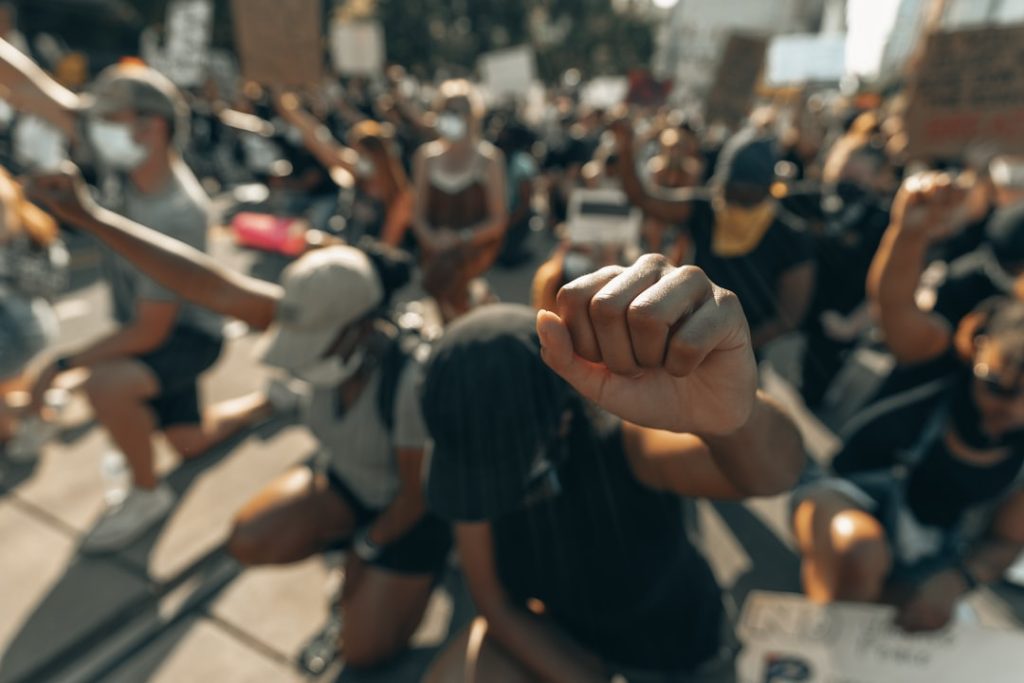
Crisis situations test the structural integrity of social systems and reveal the operational capacity of community networks. Research demonstrates that unified communities exhibit greater resilience when confronting challenges such as natural disasters, economic recessions, or social disruptions. Historical analysis indicates that collective action during periods of significant stress contributes to recovery outcomes and community stability.
Shared experiences of adversity frequently generate increased social cohesion as individuals prioritize collaborative problem-solving over individual interests. Unified responses to crisis situations enable more effective resource allocation and utilization of diverse skill sets within communities. This collaborative approach enhances problem-solving capacity through the integration of multiple perspectives and expertise areas.
Studies show that coordinated community responses create stronger social bonds and increase civic engagement among participants. The pooling of resources and knowledge during crisis periods often produces innovative solutions that would not emerge through individual efforts alone. Evidence suggests that communities demonstrating high levels of cooperation during crisis situations develop improved long-term social infrastructure.
These collaborative frameworks established during emergencies often persist beyond the immediate crisis period, creating lasting improvements in community organization and mutual support systems. The development of these cooperative networks contributes to enhanced preparedness for future challenges and strengthens overall community resilience.
Key Takeaways
- Unity is crucial for resilience during crises.
- Division weakens societal strength and progress.
- Common ground helps overcome adversity.
- Empathy fosters connection across differences.
- Collaboration promotes solidarity and collective well-being.
The Impact of Division on Society
Division within society can have far-reaching consequences that extend beyond mere disagreement. When communities fracture along ideological, racial, or socioeconomic lines, the resulting discord can lead to a breakdown in trust and communication. This erosion of relationships fosters an environment where fear and suspicion thrive, making it increasingly difficult for individuals to engage in constructive dialogue.
The consequences are often dire: increased polarization can lead to violence, discrimination, and a general decline in the quality of life for all members of society. Furthermore, division stifles progress and innovation. When people are entrenched in their own perspectives, they become less open to new ideas and solutions.
This lack of collaboration can hinder efforts to address critical issues such as poverty, education, and healthcare. In a divided society, resources are often wasted on conflict rather than directed towards constructive initiatives that promote human flourishing. The challenge lies not only in recognizing the detrimental effects of division but also in actively seeking ways to bridge these gaps and foster an environment where diverse voices can come together for the common good.
Finding Common Ground in the Face of Adversity

In the midst of adversity, the search for common ground becomes paramount. It is essential to identify shared values and goals that transcend individual differences. This process requires humility and a willingness to listen—to truly understand the perspectives and experiences of others.
By focusing on what unites us rather than what divides us, we can begin to forge connections that are rooted in empathy and respect. Common ground serves as a foundation upon which collaborative efforts can be built, allowing communities to tackle challenges collectively. Finding common ground also involves recognizing the inherent dignity and worth of every individual.
Each person brings unique experiences and insights that contribute to the richness of our shared humanity. By embracing this diversity, we can cultivate an environment where everyone feels valued and heard. This not only strengthens community bonds but also enhances our collective ability to respond to crises with creativity and resilience.
In times of adversity, it is this commitment to finding common ground that empowers us to rise above our differences and work towards a brighter future.
Building Bridges Across Differences
Building bridges across differences is an essential endeavor in fostering unity within society. It requires intentional effort to engage with those who hold contrasting views or come from different backgrounds. This engagement can take many forms—community dialogues, collaborative projects, or simply sharing meals together.
The key is to create spaces where individuals feel safe to express their thoughts and feelings while also being open to understanding others’ perspectives. Moreover, building bridges necessitates vulnerability and courage. It involves stepping outside one’s comfort zone and confronting biases or preconceived notions.
By doing so, we not only enrich our own understanding but also demonstrate a commitment to inclusivity and reconciliation. These bridges serve as conduits for dialogue and collaboration, allowing communities to harness their collective strength in addressing shared challenges. In a world often marked by division, the act of building bridges becomes a powerful testament to our capacity for love and understanding.
The Role of Empathy and Understanding in Uniting Communities
Empathy is a cornerstone of unity; it allows us to connect with others on a deeper level by recognizing their struggles and joys as part of our shared human experience. When we approach one another with empathy, we create an atmosphere conducive to understanding and healing. This emotional connection fosters trust and encourages open communication, which are vital components in overcoming division.
By actively listening to others’ stories and validating their feelings, we cultivate an environment where individuals feel seen and valued. Understanding goes hand in hand with empathy; it involves not only acknowledging others’ experiences but also seeking to comprehend the underlying factors that shape their perspectives. This deeper awareness can help dismantle stereotypes and misconceptions that often fuel division.
When communities prioritize empathy and understanding, they lay the groundwork for meaningful relationships that transcend superficial differences. In this way, empathy becomes a transformative force that unites individuals in their shared humanity, enabling them to work collaboratively towards common goals.
Overcoming Tribalism and Polarization
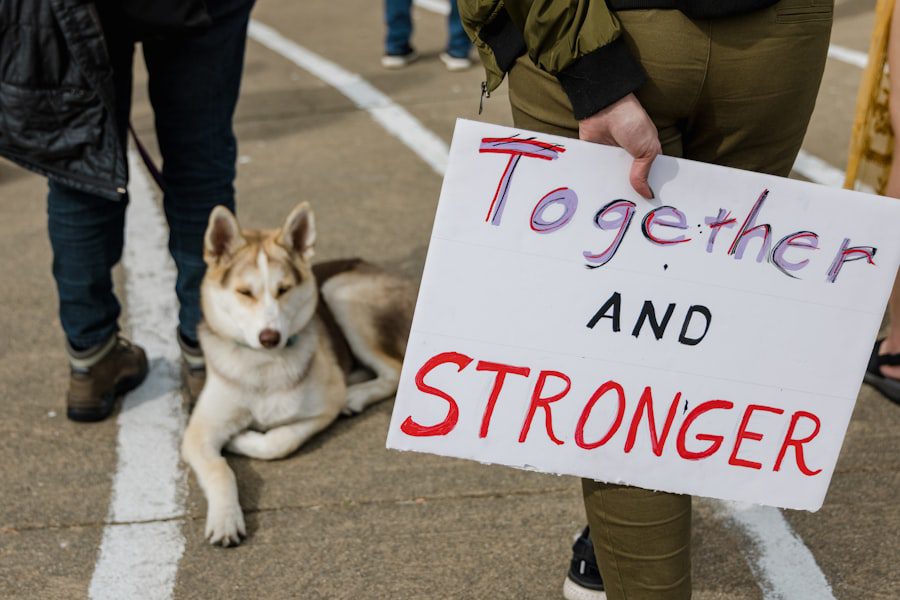
Tribalism—the tendency to form exclusive groups based on shared identities—can be a significant barrier to unity in society. It fosters an “us versus them” mentality that exacerbates polarization and hinders constructive dialogue. Overcoming tribalism requires intentional efforts to challenge our own biases and assumptions while actively seeking connections with those outside our immediate circles.
This process involves recognizing the common threads that bind us as human beings rather than focusing solely on our differences. To combat polarization effectively, it is essential to promote inclusive narratives that celebrate diversity while emphasizing shared values. Media plays a crucial role in shaping public perception; therefore, responsible reporting that highlights stories of collaboration and understanding can help counteract divisive rhetoric.
Additionally, educational initiatives that encourage critical thinking and empathy can empower individuals to engage with differing viewpoints constructively. By fostering an environment where diverse perspectives are welcomed and respected, we can begin to dismantle the walls of tribalism that divide us.
Working Together for the Greater Good
The concept of working together for the greater good transcends individual interests; it embodies a collective commitment to fostering a just and equitable society. This principle calls upon us to prioritize the well-being of our communities over personal gain or ideological differences. When individuals unite around shared goals—such as eradicating poverty, promoting education, or advocating for environmental sustainability—they create a powerful force for positive change.
Collaboration is key in this endeavor; it requires individuals from various backgrounds to come together, pooling their resources and expertise for the benefit of all. By engaging in collaborative efforts, communities can leverage their diverse strengths to address complex challenges more effectively. This spirit of cooperation not only enhances problem-solving capabilities but also fosters a sense of belonging among participants.
Ultimately, working together for the greater good cultivates an environment where human flourishing is prioritized, paving the way for a more harmonious society.
Creating a Culture of Solidarity and Support
Creating a culture of solidarity and support is essential for nurturing unity within communities. This culture is built on the principles of compassion, respect, and mutual aid—values that encourage individuals to stand together in times of need. When communities prioritize solidarity, they foster an environment where individuals feel empowered to seek help and offer support without fear of judgment or rejection.
To cultivate this culture, it is vital to celebrate acts of kindness and generosity within communities. Recognizing those who go above and beyond to support others reinforces the importance of solidarity as a communal value. Additionally, creating platforms for individuals to share their experiences fosters connection and understanding among diverse groups.
By promoting a culture of solidarity and support, we not only strengthen community bonds but also create an environment where everyone has the opportunity to thrive. In conclusion, unity is not merely an ideal; it is a necessity for navigating the complexities of modern society. By recognizing the importance of coming together in times of crisis, addressing the impacts of division, finding common ground, building bridges across differences, fostering empathy, overcoming tribalism, working collaboratively for the greater good, and creating a culture of solidarity, we can pave the way for reconciliation and human flourishing.
In doing so, we honor our shared humanity and embrace the potential for transformative change within our communities.