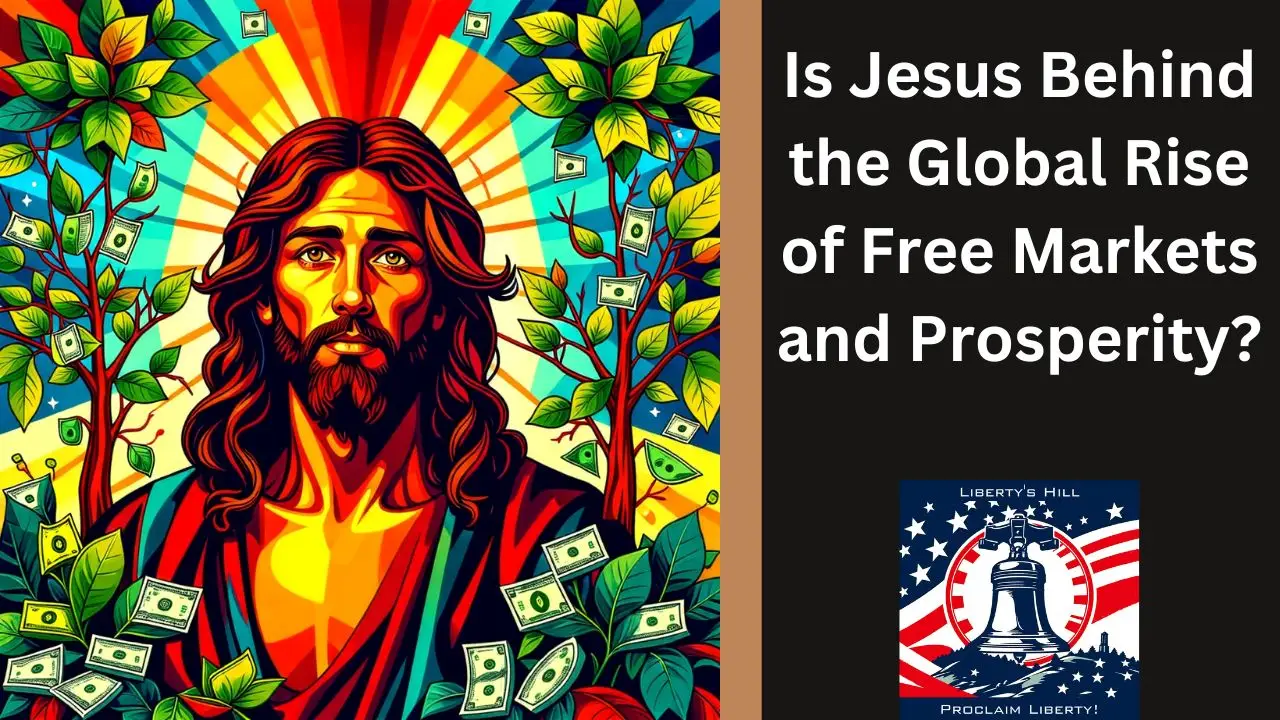
The Founding Fathers of the United States drew from various intellectual traditions, including biblical teachings, Enlightenment philosophy, and classical republicanism. Many of these leaders received education that included extensive study of religious texts, which influenced their understanding of governance and society. George Washington, Thomas Jefferson, and John Adams incorporated religious language and concepts into their public communications, though their personal religious beliefs varied considerably among them.
The concept of natural rights in American political thought emerged from multiple sources, including John Locke’s political philosophy, which itself drew from both secular and religious traditions. While some Founders connected human dignity to religious concepts, others grounded these ideas in reason and natural law philosophy. The Declaration of Independence references both “Nature’s God” and divine creation, reflecting this blend of influences.
The Founders emphasized the role of civic virtue in maintaining republican government, drawing from classical sources such as Cicero and Montesquieu, as well as religious traditions. They believed that self-governance required citizens capable of placing public good above private interest. This concern for virtue reflected their study of historical republics and their understanding of the conditions necessary for democratic institutions to function effectively.
The relationship between religion, morality, and governance remained a subject of ongoing debate among the Founders, with figures like Jefferson advocating for separation of church and state while others, like Washington, emphasized religion’s role in promoting public morality.
Key Takeaways
- Biblical ideas significantly influenced the Founding Fathers and the formation of American values.
- Religion played a key role in shaping foundational American institutions and political documents.
- Biblical principles are reflected in the Declaration of Independence and the Constitution.
- The separation of church and state coexists with the influence of biblical values in governance.
- Ongoing debates highlight the complex role of religion in modern American politics and public policy.
The Role of Religion in Shaping American Values and Institutions
Religion has played a pivotal role in shaping American values and institutions since the nation’s inception. The early settlers brought with them a rich tapestry of religious beliefs, which laid the groundwork for a society that values freedom of conscience and the pursuit of spiritual truth. This religious diversity contributed to a culture that cherishes individual rights while simultaneously promoting a sense of community and shared moral responsibility.
The intertwining of faith and civic life has been evident throughout American history, influencing everything from social movements to educational systems. As America evolved, religious institutions became vital in addressing social issues and advocating for justice. Churches and faith-based organizations have historically been at the forefront of movements for civil rights, education reform, and poverty alleviation.
Their commitment to serving others reflects a biblical mandate to love one’s neighbor and seek the common good. This active engagement in societal issues underscores the belief that faith should not be confined to private life but should inform public action and policy. The moral imperatives derived from religious teachings have thus been instrumental in shaping American values, fostering a culture that prioritizes compassion, equity, and justice.
The Impact of Biblical Principles on the Declaration of Independence and the Constitution

The Declaration of Independence and the Constitution are foundational documents that reflect the influence of biblical principles on American governance. The Declaration’s assertion that all men are created equal and endowed with unalienable rights resonates with the biblical understanding of human dignity as articulated in Genesis. This theological underpinning provided a moral justification for independence from tyranny, framing the struggle for freedom as not merely a political endeavor but a divine mandate rooted in justice and righteousness.
Similarly, the Constitution embodies principles that echo biblical teachings about governance and community. The framers emphasized checks and balances, reflecting a belief in human fallibility—a concept deeply rooted in Christian theology. The idea that power should be distributed among various branches of government aligns with the biblical notion of accountability and stewardship.
Furthermore, the First Amendment’s guarantee of religious freedom illustrates a commitment to protecting individual conscience while acknowledging the role of faith in public life. These documents collectively demonstrate how biblical principles informed the vision for a just society, one that seeks to uphold both liberty and moral order.
The Relationship Between Separation of Church and State and Biblical Values
The principle of separation of church and state is often misunderstood as an outright exclusion of religious influence from public life. However, this separation was intended to protect both religious freedom and governmental integrity. The Founding Fathers recognized that a healthy democracy requires a space where diverse beliefs can coexist without coercion or favoritism.
This framework allows for biblical values to inform public discourse while ensuring that no single faith dominates the political landscape. In practice, this separation has allowed for a rich dialogue between faith and governance. Many lawmakers draw upon their religious convictions when crafting policies, advocating for justice, compassion, and care for the marginalized—principles deeply rooted in biblical teachings.
The challenge lies in navigating this relationship without compromising the integrity of either faith or government. A society that honors both separation and engagement can cultivate an environment where diverse beliefs contribute to the common good while upholding the moral foundations essential for human flourishing.
The Continued Relevance of Biblical Ideas in American Politics and Society
Biblical ideas continue to resonate within American politics and society, serving as a moral compass for many individuals and communities. In an era marked by polarization and division, these timeless principles offer guidance on how to navigate complex social issues with grace and integrity. Concepts such as love, forgiveness, justice, and humility remain relevant as citizens grapple with questions surrounding immigration, healthcare, education, and social justice.
Moreover, many grassroots movements draw inspiration from biblical teachings to advocate for change. Activists often invoke scriptural narratives to highlight issues such as poverty alleviation, racial reconciliation, and environmental stewardship. This ongoing engagement with biblical ideas reflects a recognition that faith can be a powerful catalyst for social transformation.
As individuals seek to align their actions with their beliefs, they contribute to a broader narrative that emphasizes hope, healing, and reconciliation within society.
The Intersection of Biblical Ethics and American Public Policy

The intersection of biblical ethics and American public policy is a dynamic space where moral considerations inform legislative decisions. Policymakers often grapple with ethical dilemmas that require them to weigh competing interests against foundational values derived from religious teachings. Issues such as abortion, marriage equality, healthcare access, and criminal justice reform are deeply intertwined with ethical considerations rooted in various faith traditions.
In this context, biblical ethics can provide a framework for evaluating policies through the lens of compassion, justice, and human dignity. For instance, discussions surrounding immigration reform often invoke biblical narratives about hospitality and care for the stranger. Similarly, debates over healthcare access may draw upon principles of stewardship and responsibility toward one’s neighbor.
By engaging with these ethical dimensions, policymakers can craft legislation that reflects not only pragmatic concerns but also a commitment to upholding moral values that promote human flourishing.
The Debate Over the Role of Religion in Contemporary American Politics
The role of religion in contemporary American politics remains a contentious issue, with passionate arguments on both sides regarding its appropriateness in public life. Proponents argue that faith-based perspectives are essential for fostering moral clarity in governance, while critics contend that religion should remain separate from state affairs to ensure inclusivity and neutrality. This debate often centers around questions of representation—how can diverse beliefs coexist within a pluralistic society without marginalizing any particular group?
Navigating this complex landscape requires an understanding that while religion can inform public policy discussions, it must do so in a manner that respects the rights of all citizens. Engaging in civil discourse is crucial; individuals must be willing to listen to differing viewpoints while articulating their own beliefs with humility and respect. Ultimately, fostering an environment where diverse perspectives can coexist will strengthen democracy by encouraging collaboration toward shared goals rooted in common humanity.
The Future of the American Experiment: Navigating the Intersection of Biblical Ideas and Democracy
As America moves forward into an increasingly complex future, navigating the intersection of biblical ideas and democracy will be essential for fostering unity and promoting human flourishing. The challenges facing society—ranging from economic inequality to social injustice—demand thoughtful engagement with moral principles that transcend partisan divides. By grounding discussions in shared values derived from biblical teachings, citizens can work together toward solutions that honor both individual rights and communal responsibilities.
The future of the American experiment hinges on our ability to embrace diversity while remaining committed to core ethical principles that promote justice and compassion. As we engage with one another across ideological lines, let us remember that our shared humanity calls us to seek understanding rather than division. By allowing biblical ideas to inform our collective vision for society, we can cultivate an environment where all individuals are valued, empowered, and encouraged to flourish—reflecting the very best ideals upon which this nation was founded.