
In times of societal strife and division, liberty serves as a beacon of hope that can guide paths toward healing and reconciliation. Liberty extends beyond the absence of oppression to encompass opportunities for self-expression, pursuit of aspirations, and meaningful dialogue. As societies address historical injustices, economic inequalities, and social fragmentation, liberty becomes essential.
It provides the foundation for building a wise and moral society where human flourishing becomes achievable rather than merely theoretical. National healing requires balancing individual freedoms with collective responsibilities. Liberty facilitates necessary, though sometimes uncomfortable, conversations that help people understand diverse experiences and perspectives.
It enables societies to acknowledge their past while working toward a future where all voices matter and everyone has opportunities to succeed. This examination will cover various aspects of liberty—including free speech, economic freedom, individual rights, and political participation—and their challenges, all of which contribute significantly to fostering unity and advancing social justice.
Key Takeaways
- Liberty plays a crucial role in national healing by promoting understanding and unity.
- Freedom of speech fosters open dialogue essential for reconciliation.
- Economic liberty supports rebuilding efforts by encouraging growth and opportunity.
- Individual liberties help build trust and facilitate reconciliation among citizens.
- Political liberty enables democratic participation, aiding in addressing historical injustices and promoting equality.
The Power of Freedom of Speech in Fostering Understanding and Unity
Freedom of speech stands as one of the cornerstones of a healthy democracy, providing individuals with the ability to express their thoughts, beliefs, and grievances without fear of retribution. This fundamental right is essential for fostering understanding among diverse groups within society. When people are free to articulate their views, it opens the door for dialogue and debate, allowing for the exchange of ideas that can bridge divides.
In a nation healing from wounds of division, the ability to speak openly about differing perspectives is crucial for cultivating empathy and mutual respect. Moreover, freedom of speech empowers marginalized voices that have historically been silenced. By amplifying these voices, society can begin to address the injustices that have perpetuated inequality and division.
When individuals feel heard and validated, it fosters a sense of belonging and community. This sense of connection is vital for national healing; it transforms adversarial relationships into collaborative efforts aimed at building a more inclusive society. In this way, freedom of speech not only serves as a tool for individual expression but also as a catalyst for collective understanding and unity.
Economic Liberty and Its Impact on Rebuilding a Nation

Economic liberty plays a pivotal role in the process of national healing by providing individuals with the means to improve their circumstances and contribute to their communities. When people have the freedom to pursue their economic interests—whether through entrepreneurship, employment opportunities, or access to resources—they are empowered to take charge of their lives. This empowerment is particularly significant in post-conflict societies or those recovering from economic downturns, where individuals may feel disillusioned or disenfranchised.
Furthermore, economic liberty fosters an environment where innovation can thrive. When individuals are free to explore new ideas and take risks without excessive governmental constraints, they contribute to a vibrant economy that benefits all members of society. This economic dynamism can lead to job creation, increased productivity, and ultimately, improved living standards for everyone.
As communities experience economic revitalization, they also experience social cohesion; shared prosperity can bridge divides and foster a sense of collective purpose. Thus, economic liberty not only addresses material needs but also plays an integral role in rebuilding trust and solidarity within a nation.
The Role of Individual Liberties in Fostering Trust and Reconciliation
Individual liberties are essential for fostering trust within society, as they affirm the inherent dignity and worth of each person. When individuals are granted the freedom to express their identities—be it through religion, culture, or personal beliefs—they are more likely to feel valued and respected within their communities. This recognition is crucial for reconciliation efforts, as it lays the groundwork for mutual understanding and respect among diverse groups.
Moreover, individual liberties encourage personal responsibility and accountability. When people are free to make choices about their lives, they also bear the responsibility for those choices. This dynamic fosters a culture of trust where individuals recognize that their actions have consequences not only for themselves but also for their communities.
In this context, reconciliation becomes a shared journey rather than a top-down mandate; it invites individuals to actively participate in healing processes by acknowledging past wrongs and committing to building a more just future together.
Liberty as a Tool for Addressing Historical Injustices and Promoting Equality
Liberty serves as a powerful tool for addressing historical injustices that have long plagued societies. By recognizing the importance of individual rights and freedoms, nations can begin to confront the legacies of oppression that have marginalized certain groups. This acknowledgment is not merely symbolic; it requires concrete actions that promote equality and justice for all citizens.
For instance, policies aimed at redressing past wrongs—such as reparations or affirmative action—can help create a more equitable society where everyone has an opportunity to thrive. Additionally, liberty encourages critical reflection on societal norms and structures that perpetuate inequality. When individuals are free to question the status quo, they can challenge discriminatory practices and advocate for systemic change.
This process is essential for dismantling barriers that hinder progress toward equality. By fostering an environment where diverse voices can speak out against injustice, liberty becomes a catalyst for transformation—one that empowers individuals to reclaim their rights and demand accountability from those in power.
The Role of Political Liberty in Fostering Democratic Participation and National Healing
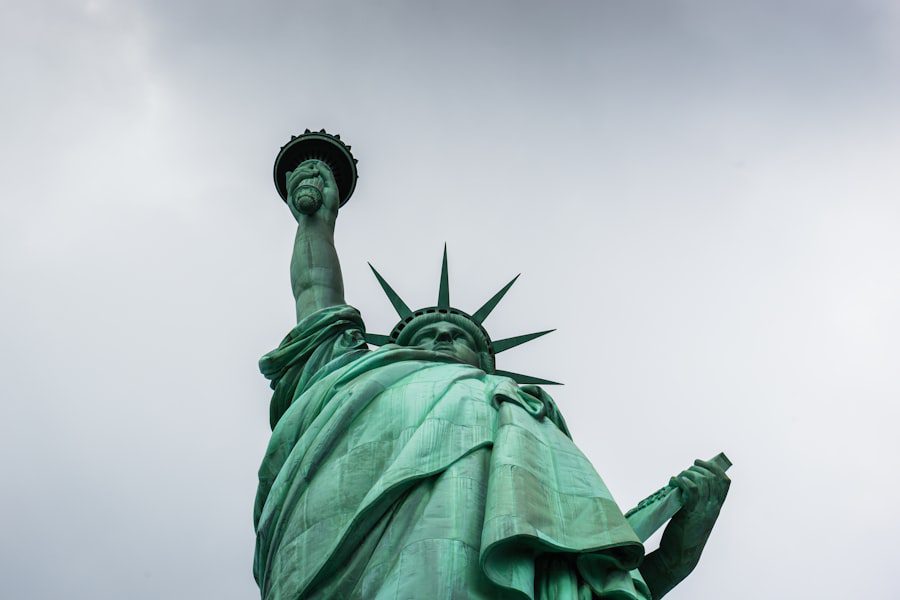
Political liberty is fundamental to fostering democratic participation, which is essential for national healing. When citizens have the freedom to engage in the political process—whether through voting, advocacy, or public discourse—they become active participants in shaping their society’s future. This engagement not only empowers individuals but also strengthens the democratic fabric of the nation by ensuring that diverse perspectives are represented in decision-making processes.
Moreover, political liberty fosters accountability among leaders and institutions. When citizens are free to voice their concerns and hold their representatives accountable, it creates a system of checks and balances that promotes transparency and integrity within governance. This accountability is crucial for rebuilding trust between citizens and their government—especially in societies recovering from corruption or authoritarianism.
By encouraging active participation in political life, political liberty lays the groundwork for a more responsive and responsible government that prioritizes the needs of its citizens.
The Challenges and Limitations of Liberty in Addressing National Wounds
While liberty holds immense potential for fostering healing and reconciliation, it is not without its challenges and limitations. One significant challenge lies in the potential for freedom to be misused or weaponized against others. In societies marked by deep divisions, the exercise of liberty can sometimes lead to further polarization rather than unity.
Hate speech or misinformation can proliferate under the guise of free expression, undermining efforts toward understanding and reconciliation. Additionally, there exists a delicate balance between individual liberties and collective well-being. In some cases, the pursuit of personal freedoms may come at the expense of communal harmony or safety.
Striking this balance requires careful consideration and dialogue among citizens about the responsibilities that accompany freedom. It necessitates an ongoing commitment to fostering an environment where liberty is exercised with respect for others’ rights—a commitment that is essential for building a wise and moral society.
Embracing Liberty as a Pathway to Healing and Reconciliation
In conclusion, embracing liberty as a pathway to healing and reconciliation offers profound opportunities for societal transformation. By recognizing the power of freedom—whether through speech, economic pursuits, individual rights, or political participation—we can cultivate an environment where understanding flourishes and trust is rebuilt. Liberty invites us to confront our past while envisioning a future where every individual has the opportunity to thrive.
As we navigate the complexities of national healing, it is essential to remain vigilant about the challenges that accompany liberty’s exercise. By fostering dialogue around these challenges and committing ourselves to responsible engagement with our freedoms, we can work toward creating a society that values both individual rights and collective well-being. Ultimately, it is through this commitment to liberty that we can pave the way for reconciliation—a journey marked by empathy, understanding, and shared purpose in building a more just world for all.