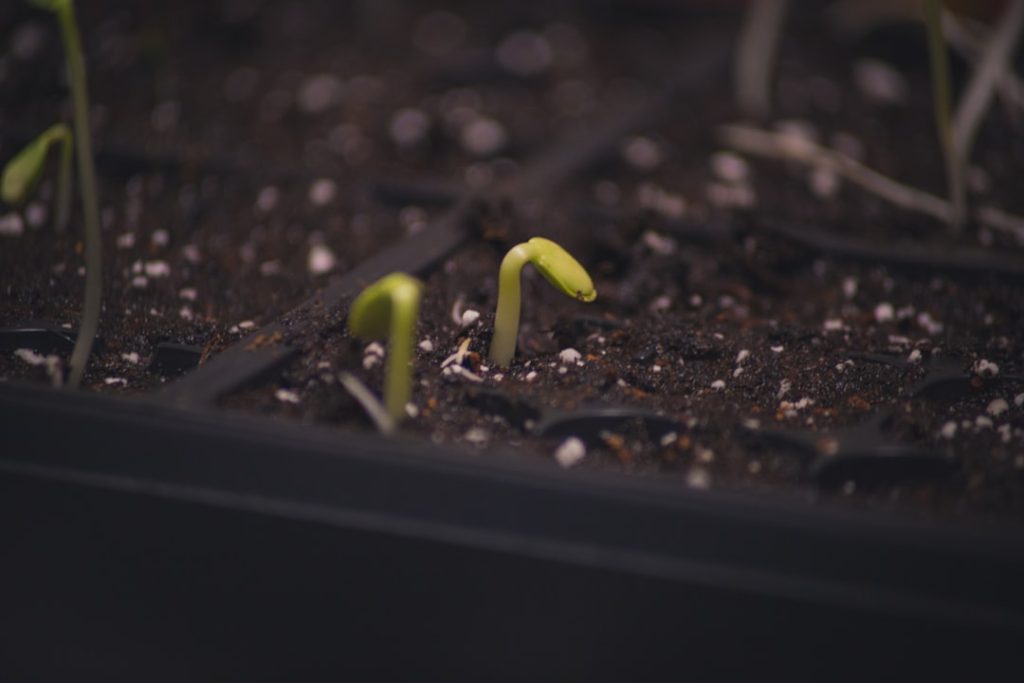
Personal growth refers to the ongoing process of developing self-awareness, skills, and capabilities throughout an individual’s lifetime. This developmental process encompasses self-discovery, skill acquisition, and the pursuit of one’s potential across various life domains including emotional, intellectual, and social dimensions. Research in psychology demonstrates that personal growth contributes to improved mental health outcomes, enhanced life satisfaction, and stronger interpersonal relationships.
Studies indicate that individuals who actively engage in personal development activities report higher levels of well-being and demonstrate greater resilience when facing life challenges. Personal growth involves several key components: self-reflection, goal setting, skill development, and behavioral adaptation. Through these processes, individuals develop coping mechanisms that enable them to manage stress, overcome obstacles, and adapt to changing circumstances.
Psychological research shows that people who engage in regular self-reflection and learning demonstrate improved problem-solving abilities and emotional regulation. The practice of personal growth also influences social dynamics. Individuals who invest in their own development often exhibit increased empathy, better communication skills, and more effective leadership capabilities.
These qualities contribute to improved workplace performance, stronger family relationships, and more positive community engagement. Educational and organizational psychology research supports the connection between individual development and collective outcomes, showing that environments that promote personal growth tend to have higher levels of cooperation and productivity.
Key Takeaways
- Personal growth is essential for overall well-being and success.
- A positive, supportive environment enhances motivation and development.
- Emotional intelligence and empathy strengthen relationships and understanding.
- Lifelong learning fosters continuous improvement and adaptability.
- Embracing diversity and inclusion builds stronger, more connected communities.
Creating a Positive and Supportive Environment
A nurturing environment is crucial for fostering personal growth and development. When individuals feel supported and valued, they are more likely to take risks, explore new ideas, and pursue their passions. Creating such an environment requires intentionality and effort from both individuals and communities.
It involves cultivating spaces where open communication is encouraged, where people feel safe to express their thoughts and emotions without fear of judgment. This sense of psychological safety allows individuals to engage in meaningful conversations, share their vulnerabilities, and seek guidance when needed. In addition to emotional support, a positive environment also encompasses the physical spaces we inhabit.
Whether at home, in schools, or within workplaces, the atmosphere should be conducive to growth and creativity. This can be achieved through thoughtful design, such as incorporating natural light, greenery, and collaborative spaces that promote interaction. Furthermore, fostering a culture of appreciation and recognition can significantly enhance morale and motivation.
When individuals feel acknowledged for their contributions, they are more likely to invest in their own growth and the growth of others. By prioritizing a supportive environment, we lay the groundwork for a society that champions personal development and collective flourishing.
Nurturing Emotional Intelligence and Empathy
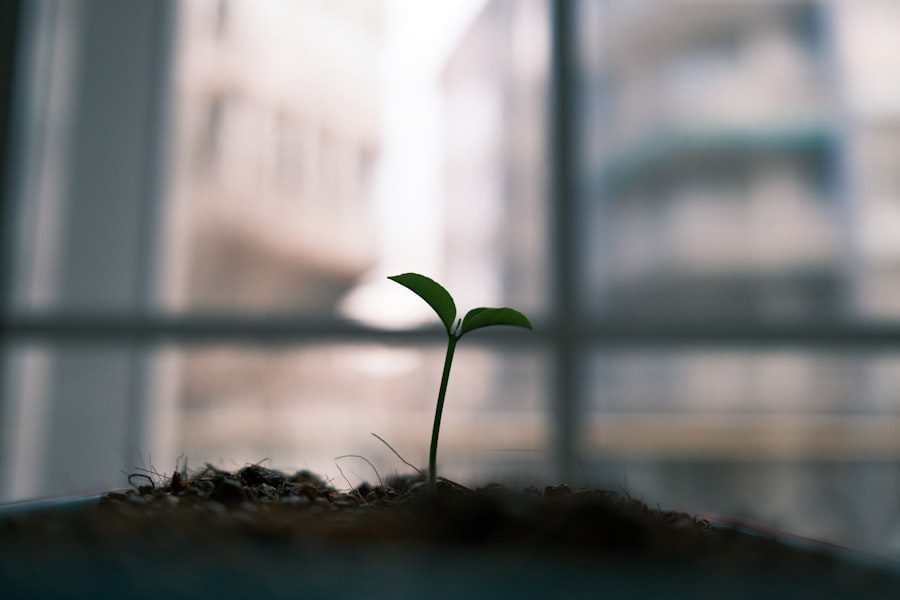
Emotional intelligence is a vital component of personal growth that often goes overlooked in traditional educational settings. It encompasses the ability to recognize, understand, and manage our own emotions while also being attuned to the emotions of others. Nurturing emotional intelligence is essential for building strong relationships and fostering a sense of community.
When individuals possess a high degree of emotional awareness, they are better equipped to navigate conflicts, communicate effectively, and demonstrate empathy towards others. This skill set not only enhances personal interactions but also contributes to a more harmonious society. Empathy, in particular, plays a crucial role in bridging divides and promoting understanding among diverse groups.
By cultivating empathy within ourselves and encouraging it in others, we create an environment where compassion thrives. This can be achieved through active listening, engaging in open dialogues about differing perspectives, and seeking to understand the experiences of those around us. When we approach others with empathy, we dismantle barriers that often lead to misunderstanding and conflict.
In doing so, we foster a culture of acceptance and inclusivity that celebrates our shared humanity while honoring our unique differences.
Encouraging Lifelong Learning and Development
The pursuit of knowledge should not be confined to formal education; rather, it should be embraced as a lifelong journey. Encouraging lifelong learning is essential for personal growth as it empowers individuals to remain curious and adaptable in an ever-changing world. This commitment to continuous development can take many forms—whether through formal courses, self-directed study, or experiential learning opportunities.
By fostering a mindset that values learning at all stages of life, we equip ourselves with the skills necessary to navigate new challenges and seize opportunities for growth. Moreover, promoting lifelong learning contributes to a culture of innovation and creativity within society. When individuals are encouraged to explore new ideas and expand their horizons, they are more likely to contribute unique perspectives and solutions to complex problems.
This spirit of inquiry not only benefits individuals but also enhances the collective intelligence of communities. By creating platforms for knowledge sharing—such as workshops, discussion groups, or online forums—we can cultivate an environment where learning is celebrated and knowledge is freely exchanged. In this way, we foster a society that prioritizes growth, adaptability, and resilience.
Fostering a Sense of Community and Connection
Human beings are inherently social creatures; our well-being is deeply intertwined with our connections to others. Fostering a sense of community is essential for personal growth as it provides individuals with a support network that encourages exploration and development. Strong communities are built on trust, mutual respect, and shared values—elements that create an environment where individuals feel empowered to pursue their goals while also supporting one another in their journeys.
To cultivate this sense of community, it is important to create opportunities for meaningful interactions among individuals from diverse backgrounds. This can be achieved through community events, volunteer initiatives, or collaborative projects that bring people together around common interests or goals. By engaging in these activities, individuals not only strengthen their bonds with one another but also develop a greater appreciation for the richness of diversity within their communities.
Ultimately, fostering a sense of connection enhances personal growth by providing individuals with the encouragement and resources they need to thrive.
Promoting Health and Wellness
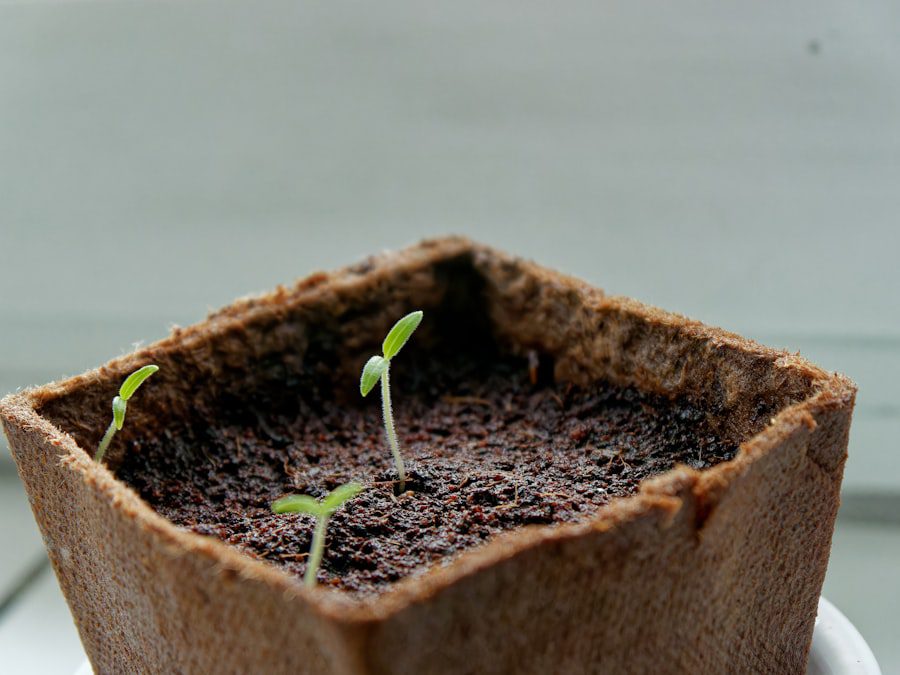
Health and wellness are foundational elements of personal growth that cannot be overlooked. A holistic approach to well-being encompasses physical, mental, emotional, and spiritual health—each aspect playing a vital role in our overall quality of life. Promoting health involves not only encouraging healthy lifestyle choices but also addressing systemic barriers that may hinder access to resources such as nutritious food, healthcare services, and mental health support.
Creating a culture that prioritizes health requires collaboration among individuals, families, communities, and institutions. This can involve implementing wellness programs in schools and workplaces that promote physical activity, mindfulness practices, and healthy eating habits. Additionally, fostering open conversations about mental health can help destigmatize seeking support and encourage individuals to prioritize their emotional well-being.
By promoting health and wellness as integral components of personal growth, we empower individuals to lead fulfilling lives while contributing positively to society.
Cultivating Resilience and Adaptability
In an unpredictable world marked by rapid change and uncertainty, resilience and adaptability are essential qualities for personal growth. Resilience enables individuals to bounce back from setbacks while maintaining a positive outlook on life. It involves developing coping strategies that allow us to navigate challenges with grace and determination.
Cultivating resilience requires self-awareness, reflection on past experiences, and the willingness to embrace discomfort as an opportunity for growth. Adaptability complements resilience by equipping individuals with the ability to adjust their perspectives and approaches in response to changing circumstances. This flexibility is crucial in both personal and professional contexts as it allows individuals to remain open-minded and innovative when faced with new challenges or opportunities.
By fostering resilience and adaptability within ourselves and encouraging these qualities in others, we create a culture that embraces change as a catalyst for growth rather than a source of fear or resistance.
Embracing Diversity and Inclusion
Embracing diversity and inclusion is not merely a moral imperative; it is also essential for fostering personal growth within society. When we celebrate diverse perspectives, experiences, and backgrounds, we enrich our understanding of the world around us. This diversity fosters creativity and innovation by bringing together unique ideas that challenge conventional thinking.
Moreover, inclusive environments empower individuals from all walks of life to contribute their voices and talents—ultimately leading to more equitable outcomes for everyone. To truly embrace diversity and inclusion requires intentional efforts at all levels—from individual actions to institutional policies. It involves actively seeking out diverse voices in decision-making processes, creating spaces where everyone feels valued and heard, and addressing systemic inequalities that hinder participation.
By prioritizing diversity and inclusion as core values within our communities, we cultivate an environment where personal growth flourishes alongside collective progress—a society where every individual has the opportunity to thrive while contributing to the greater good. In conclusion, personal growth is an ongoing journey that requires intentionality across various dimensions of life. By creating supportive environments, nurturing emotional intelligence, encouraging lifelong learning, fostering community connections, promoting health and wellness, cultivating resilience, embracing diversity, we lay the groundwork for a wise moral society that champions human flourishing for all its members.
As we embark on this journey together—individually and collectively—we can create a brighter future rooted in compassion, understanding, and shared purpose.