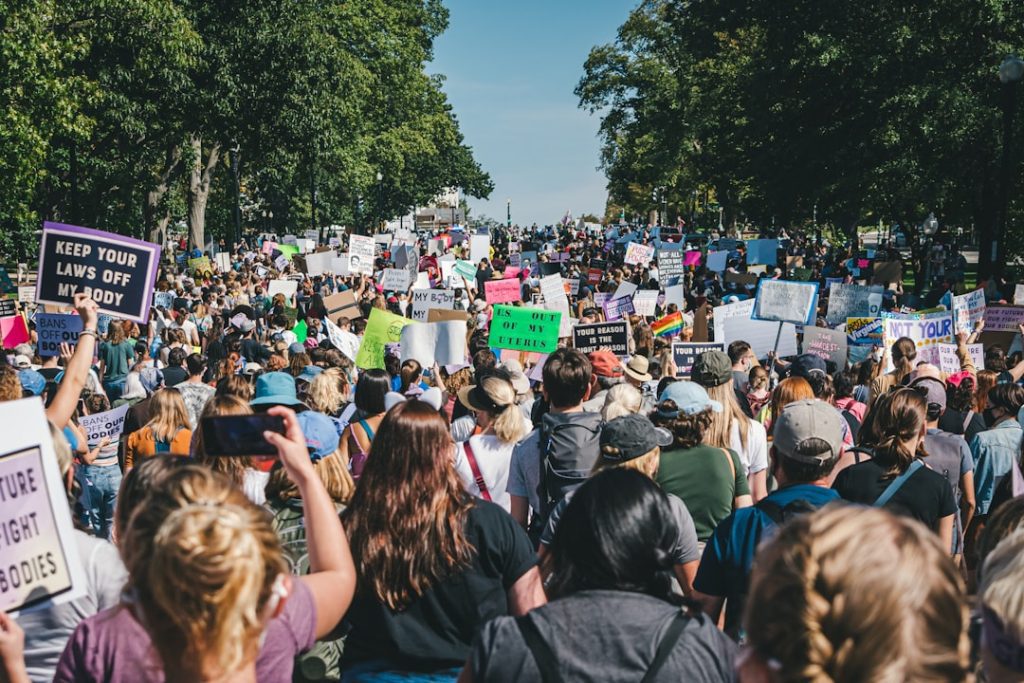
Human rights are the fundamental entitlements that belong to every individual, regardless of nationality, ethnicity, gender, or any other status. They are the bedrock of a just society, embodying the principles of dignity, equality, and respect. Rooted in the belief that all humans are created equal, these rights serve as a moral compass guiding our interactions and governance.
The recognition of human rights is not merely a legal obligation but a profound ethical commitment to uphold the inherent worth of every person. In a world often marred by conflict, inequality, and injustice, the promotion and protection of human rights become paramount for fostering peace and reconciliation. The significance of human rights extends beyond individual well-being; they are essential for societal flourishing.
When individuals are empowered to exercise their rights freely, communities thrive, and nations prosper. The pursuit of human rights is intertwined with the quest for social justice, as both seek to dismantle systems of oppression and inequality. In this context, understanding the historical evolution of human rights is crucial, as it provides insight into the struggles and triumphs that have shaped our current landscape.
By examining the past, we can better appreciate the ongoing efforts to secure these rights for all and recognize the work that remains to be done.
Key Takeaways
- Human rights have evolved over time, shaped by historical movements and international efforts.
- International organizations play a crucial role in promoting and protecting human rights globally.
- Despite progress, significant challenges and setbacks continue to hinder the full realization of human rights.
- Education and awareness are essential tools for advancing human rights and fostering social justice.
- The future of human rights depends on addressing emerging challenges while leveraging new opportunities for global cooperation.
The Evolution of Human Rights
The concept of human rights has evolved significantly over centuries, influenced by philosophical, religious, and political movements. Early notions can be traced back to ancient civilizations, where ideas of justice and moral conduct were articulated in various forms. However, it was not until the Enlightenment period that human rights began to take a more defined shape.
Thinkers such as John Locke and Jean-Jacques Rousseau championed the idea that individuals possess inherent rights simply by virtue of being human. Their philosophies laid the groundwork for modern democratic ideals and the recognition of civil liberties. The 20th century marked a pivotal moment in the evolution of human rights, particularly in the aftermath of World War
The atrocities committed during the war galvanized global leaders to establish frameworks aimed at preventing such horrors from recurring. The Universal Declaration of Human Rights (UDHR), adopted by the United Nations General Assembly in 1948, represented a monumental achievement in codifying human rights on an international scale. This document articulated a comprehensive set of rights that encompass civil, political, economic, social, and cultural dimensions.
The UDHR not only serves as a moral guide but also as a legal foundation for numerous treaties and national laws aimed at protecting human dignity.
The Role of International Organizations in Advancing Human Rights
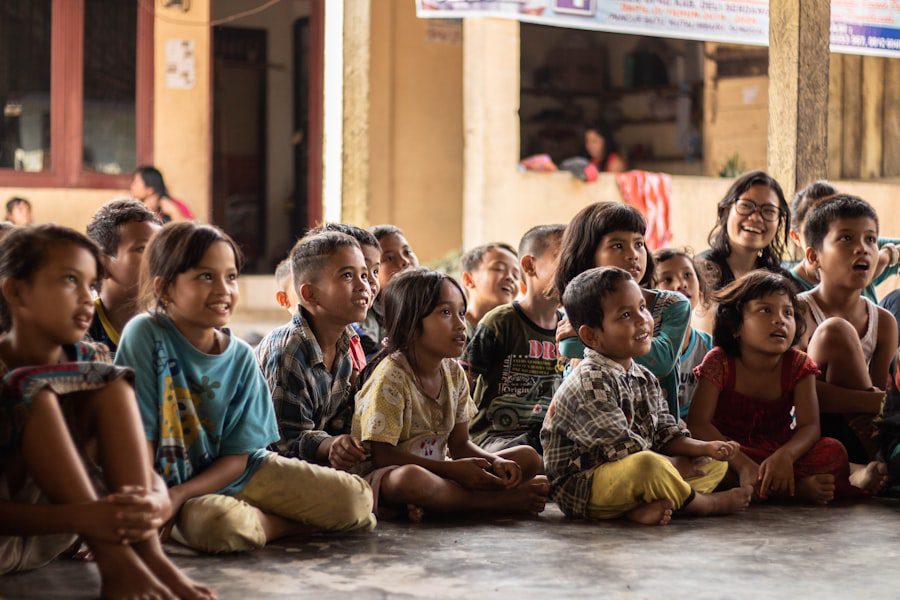
International organizations play a crucial role in advancing human rights by providing platforms for dialogue, monitoring compliance, and facilitating cooperation among nations. The United Nations (UN), in particular, has been at the forefront of promoting human rights globally. Through its various agencies and mechanisms, such as the Human Rights Council and treaty bodies, the UN works to hold states accountable for their obligations under international law.
These organizations not only advocate for the protection of rights but also engage in capacity-building efforts to empower local communities and civil society organizations. Moreover, international organizations often serve as mediators in conflicts where human rights violations are prevalent. By fostering dialogue between conflicting parties, they aim to create conditions conducive to reconciliation and peacebuilding.
The work of organizations like Amnesty International and Human Rights Watch further amplifies this mission by documenting abuses and advocating for justice on behalf of victims. Their reports raise awareness and mobilize public opinion, compelling governments to take action against violations. In this way, international organizations act as both watchdogs and catalysts for change, striving to create a world where human rights are universally respected.
Challenges and Setbacks in the Expansion of Human Rights
Despite significant progress in advancing human rights, numerous challenges and setbacks persist. Authoritarian regimes continue to suppress dissent and violate fundamental freedoms, often justifying their actions under the guise of national security or cultural preservation. In many regions, political instability and armed conflict exacerbate human rights abuses, leaving vulnerable populations without protection or recourse.
The rise of populism and nationalism in various parts of the world has also led to a backlash against established human rights norms, with some governments actively undermining international agreements. Additionally, systemic inequalities rooted in race, gender, and socioeconomic status pose significant barriers to the realization of human rights for all. Marginalized groups often face discrimination and violence, hindering their ability to fully participate in society.
The COVID-19 pandemic further highlighted these disparities, as vulnerable populations disproportionately bore the brunt of health crises and economic fallout. Addressing these challenges requires a concerted effort from governments, civil society, and international organizations to ensure that human rights are not only recognized but actively upheld for everyone.
Lessons Learned from Historical Movements for Human Rights

Historical movements for human rights offer valuable lessons that can inform contemporary efforts toward justice and equality. The civil rights movement in the United States serves as a poignant example of how grassroots activism can effect change. Leaders like Martin Luther King Jr.
demonstrated the power of nonviolent resistance in challenging systemic racism and advocating for civil liberties. Their strategies—rooted in love, compassion, and moral conviction—continue to inspire movements worldwide today. Similarly, the anti-apartheid struggle in South Africa illustrates the importance of solidarity and international support in advancing human rights.
Figures like Nelson Mandela exemplified resilience in the face of oppression while rallying global attention to their cause. The eventual dismantling of apartheid was not solely a national achievement but also a testament to the collective efforts of individuals and organizations across borders advocating for justice. These historical examples remind us that while progress may be slow and fraught with challenges, sustained commitment and collaboration can lead to transformative change.
The Intersection of Human Rights and Social Justice Movements
Human rights are intrinsically linked to social justice movements that seek to address systemic inequalities and promote equity for all individuals. Issues such as racial justice, gender equality, LGBTQ+ rights, and economic justice are all rooted in the broader framework of human rights. Social justice movements challenge oppressive structures that deny individuals their basic rights and strive to create inclusive societies where everyone can thrive.
The intersectionality of these movements highlights the need for a holistic approach to human rights advocacy. For instance, addressing gender-based violence requires not only legal reforms but also cultural shifts that challenge patriarchal norms. Similarly, advocating for racial justice involves confronting historical injustices while promoting policies that ensure equal opportunities for marginalized communities.
By recognizing the interconnectedness of various struggles for justice, advocates can build coalitions that amplify their voices and create more comprehensive solutions.
The Importance of Education and Awareness in Promoting Human Rights
Education plays a pivotal role in promoting human rights by fostering awareness and understanding among individuals and communities. When people are informed about their rights and the mechanisms available for their protection, they are better equipped to advocate for themselves and others. Educational initiatives that focus on human rights can empower individuals to challenge injustices and engage actively in civic life.
Moreover, integrating human rights education into school curricula can cultivate a culture of respect and empathy from an early age. By teaching children about diversity, inclusion, and social responsibility, we can nurture future generations who are committed to upholding human dignity. Community outreach programs that raise awareness about local human rights issues can also mobilize citizens to take action and support marginalized groups within their communities.
The Future of Human Rights: Opportunities and Challenges
As we look toward the future of human rights, we encounter both opportunities for advancement and challenges that require our attention. Technological advancements present new avenues for promoting human rights through increased access to information and communication platforms. Social media has become a powerful tool for raising awareness about abuses and mobilizing support for various causes worldwide.
However, these same technologies also pose risks related to privacy violations and misinformation campaigns that can undermine trust in institutions dedicated to protecting human rights. As we navigate this complex landscape, it is essential to remain vigilant against threats while harnessing technology’s potential for positive change. In conclusion, the journey toward realizing universal human rights is ongoing and multifaceted.
It demands our collective commitment to fostering a wise and moral society where every individual is valued and respected. By learning from history, advocating for social justice, promoting education, and leveraging opportunities presented by technology, we can work together toward a future where human rights are not just aspirational ideals but lived realities for all people around the globe.