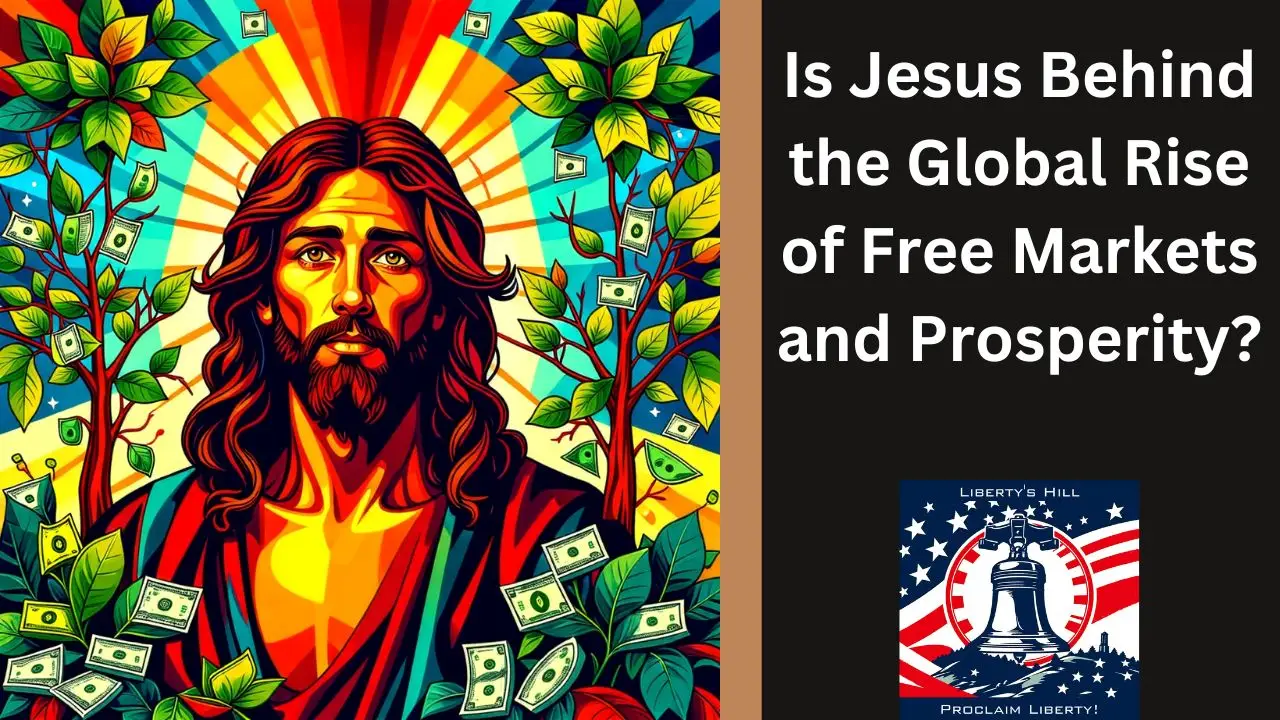
Individual liberty constitutes a fundamental principle in democratic societies, referring to the right of persons to make autonomous decisions regarding their personal affairs without excessive external interference. This concept encompasses various freedoms including expression, association, movement, and personal choice within legal boundaries. Legal frameworks in democratic nations typically establish protections for individual rights while balancing them against collective interests and public welfare.
Research in political science and economics indicates correlations between individual freedoms and societal outcomes. Studies suggest that societies with stronger protections for personal liberties often demonstrate higher levels of economic development, technological innovation, and social mobility. The relationship between freedom and innovation appears particularly pronounced in areas requiring creative problem-solving and entrepreneurship, where individuals must be able to pursue novel approaches and take calculated risks.
Historical analysis reveals patterns linking individual liberty to societal advancement. Periods of expanded personal freedoms have frequently coincided with accelerated progress in science, technology, and cultural development. However, scholars note that the relationship between liberty and progress involves complex interactions with factors such as education, economic systems, and institutional quality.
The protection of individual rights requires ongoing balance between personal autonomy and collective responsibilities, with democratic institutions serving as mechanisms for negotiating these competing interests.
Key Takeaways
- Individual liberty is fundamental to personal and societal well-being.
- Personal autonomy is crucial for achieving human flourishing.
- Economic freedom significantly enhances overall human well-being.
- Political freedom is closely linked to human development and progress.
- Balancing civil liberties and human rights is essential for quality of life and flourishing.
The Role of Personal Autonomy in Human Flourishing
Personal autonomy is a vital aspect of individual liberty that significantly contributes to human flourishing. It refers to the capacity of individuals to make informed choices about their own lives, reflecting their values, beliefs, and desires. When people have the autonomy to shape their own destinies, they are more likely to experience fulfillment and satisfaction in their lives.
This sense of agency fosters resilience and adaptability, enabling individuals to navigate challenges and pursue their goals with determination. Furthermore, personal autonomy is closely linked to mental and emotional well-being. Studies have shown that individuals who feel they have control over their lives tend to report higher levels of happiness and lower levels of stress.
This connection underscores the importance of creating environments that support personal decision-making and self-determination. In a society that values personal autonomy, individuals are encouraged to explore their identities, cultivate their talents, and engage in meaningful relationships. Such an environment not only enhances individual well-being but also strengthens the social fabric by promoting mutual respect and understanding among diverse perspectives.
The Impact of Economic Freedom on Human Well-being

Economic freedom plays a crucial role in enhancing human well-being and fostering a thriving society. It encompasses the ability of individuals to engage in economic activities without excessive government intervention or restrictions. When people have the freedom to start businesses, invest in their skills, and trade freely, they can create wealth and improve their quality of life.
Economic freedom empowers individuals to pursue their aspirations, leading to increased productivity and innovation. Moreover, the relationship between economic freedom and human flourishing is evident in the correlation between free-market economies and higher standards of living. Countries that embrace economic liberty often experience lower poverty rates, better access to education and healthcare, and improved overall quality of life.
This is not merely an economic observation; it reflects a moral imperative to create systems that allow individuals to thrive. By promoting economic freedom, societies can unlock the potential of their citizens, enabling them to contribute positively to their communities and fostering an environment where everyone has the opportunity to flourish.
The Connection Between Political Freedom and Human Development
Political freedom is another essential component of human flourishing, as it provides individuals with the means to participate in the governance of their society. The ability to vote, express dissent, and engage in political discourse is fundamental to ensuring that governments remain accountable to the people they serve. Political freedom empowers citizens to advocate for their rights and interests, fostering a sense of belonging and community engagement.
The link between political freedom and human development is profound. Societies that uphold democratic principles tend to experience greater social cohesion, stability, and progress. When individuals feel that they have a voice in shaping policies that affect their lives, they are more likely to invest in their communities and work towards common goals.
Furthermore, political freedom encourages diversity of thought and inclusivity, allowing for a richer exchange of ideas that can lead to innovative solutions for societal challenges. In this way, political freedom not only enhances individual agency but also contributes to the collective well-being of society.
The Influence of Social and Cultural Liberties on Human Flourishing
Social and cultural liberties are integral to fostering an environment where human flourishing can thrive. These liberties encompass the rights of individuals to express their identities, beliefs, and cultural practices without fear of discrimination or repression. When societies embrace diversity and promote inclusivity, they create spaces where individuals can authentically engage with one another, share experiences, and learn from different perspectives.
The impact of social and cultural liberties on human flourishing is evident in the richness they bring to communities. A society that values cultural expression fosters creativity, innovation, and collaboration among its members. This cultural dynamism not only enhances individual well-being but also strengthens social bonds by promoting understanding and empathy among diverse groups.
Furthermore, when individuals feel free to express their identities and beliefs, they are more likely to contribute positively to society, leading to a more harmonious coexistence. In this way, social and cultural liberties serve as vital components in building a wise and moral society that nurtures human flourishing.
The Relationship Between Civil Liberties and Quality of Life

Civil liberties are fundamental rights that protect individuals from government overreach and ensure their freedom from arbitrary interference in their lives. These rights include freedom of speech, assembly, religion, and privacy—each playing a crucial role in enhancing quality of life. When civil liberties are upheld, individuals can express themselves freely, engage in peaceful protests, practice their faith openly, and live without fear of persecution.
The relationship between civil liberties and quality of life is profound; societies that respect these rights tend to enjoy higher levels of trust among citizens and greater social stability. When people feel secure in their freedoms, they are more likely to participate actively in civic life and contribute positively to their communities. Moreover, civil liberties foster an environment where dissenting voices can be heard, leading to more robust public discourse and informed decision-making.
In this way, protecting civil liberties is not only essential for individual well-being but also for cultivating a society that values justice, equity, and mutual respect.
The Intersection of Human Rights and Liberty in Promoting Flourishing
Human rights and individual liberty are intertwined concepts that collectively promote human flourishing. Human rights establish the baseline for dignity and respect that every individual deserves, while liberty empowers people to exercise those rights fully. Together, they create a framework within which individuals can thrive—physically, emotionally, socially, and spiritually.
The recognition of human rights as universal principles reinforces the idea that every person has inherent value regardless of their background or circumstances. This recognition fosters an environment where individuals can pursue their aspirations without fear of discrimination or oppression. When societies prioritize both human rights and individual liberty, they create conditions conducive to flourishing—where people can live authentically, contribute meaningfully to their communities, and experience holistic well-being.
Thus, the intersection of these two concepts serves as a powerful foundation for building a wise and moral society.
The Challenges and Opportunities in Balancing Liberty and Human Flourishing
While the principles of liberty are essential for human flourishing, achieving a balance between individual freedoms and collective well-being presents both challenges and opportunities. One significant challenge lies in navigating the tension between personal autonomy and societal norms or values. In some cases, the exercise of individual liberty may conflict with the interests or beliefs of others within the community.
Striking a balance requires thoughtful dialogue and a commitment to understanding diverse perspectives while upholding fundamental rights. However, this challenge also presents an opportunity for growth and reconciliation within society. Engaging in open conversations about liberty can lead to greater awareness of shared values and common goals.
By fostering an environment where differing opinions are respected and considered, societies can cultivate a culture of empathy and cooperation that enhances both individual freedoms and collective flourishing. Ultimately, navigating these complexities requires wisdom—a commitment to justice that honors both personal autonomy and the common good while striving for a society where all individuals can thrive together. In conclusion, the interplay between individual liberty and human flourishing is intricate yet vital for creating a wise and moral society.
By recognizing the importance of personal autonomy, economic freedom, political engagement, social diversity, civil liberties, human rights, and the challenges inherent in balancing these elements, we can work towards fostering environments where all individuals have the opportunity to flourish fully. In doing so, we not only honor our shared humanity but also contribute positively to the collective well-being of our communities.