The relationship between government and liberty is a complex and often contentious one, deeply rooted in the fabric of human society. At its core, government is established to maintain order, provide security, and promote the common good. However, the very structures that are meant to protect individual freedoms can also become instruments of oppression.
This duality raises critical questions about the nature of authority, the rights of individuals, and the moral responsibilities of those in power. In a world increasingly characterized by rapid change and uncertainty, understanding this relationship is essential for fostering a society that values both governance and personal freedom. Liberty, often defined as the state of being free within society from oppressive restrictions imposed by authority, is a fundamental human aspiration.
It encompasses not only the absence of coercion but also the presence of opportunities for individuals to pursue their own paths. The challenge lies in finding a balance where government can effectively safeguard these liberties without overstepping its bounds. As we delve into the historical perspectives on government and liberty, we will uncover how various societies have grappled with these concepts and how their legacies continue to shape our understanding today.
Key Takeaways
- Government plays a dual role in both protecting and potentially threatening individual liberty.
- Historical contexts reveal evolving relationships between government authority and personal freedoms.
- Balancing government power with individual rights is essential to maintaining a free society.
- Law and justice systems are crucial in ensuring government actions align with liberty principles.
- Technological advancements present new challenges and opportunities for the future of government and liberty.
Historical Perspectives on Government and Liberty
Throughout history, the interplay between government and liberty has evolved significantly, influenced by cultural, philosophical, and political developments. Ancient civilizations often viewed governance as a divine mandate, where rulers were seen as representatives of the gods. In such contexts, individual liberties were frequently subordinated to the will of the state or monarch.
The concept of liberty was largely confined to a privileged few, with the majority of the populace living under strict hierarchies that limited personal freedoms. The Enlightenment era marked a pivotal shift in this narrative. Thinkers like John Locke and Jean-Jacques Rousseau championed the idea that government should be a social contract, established by the consent of the governed to protect their natural rights—life, liberty, and property.
This philosophical foundation laid the groundwork for modern democratic principles, emphasizing that legitimate authority derives from the will of the people. The American and French revolutions were direct manifestations of these ideas, as citizens rose against tyrannical regimes in pursuit of their inherent rights. These historical movements not only redefined the relationship between government and liberty but also inspired countless others around the globe to seek similar freedoms.
Government as Protector of Liberty
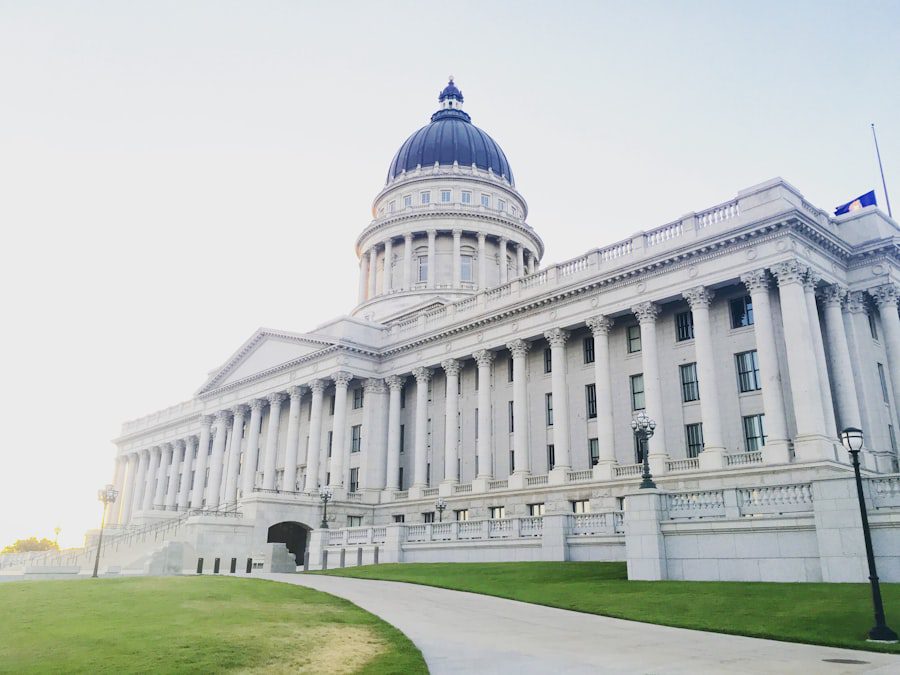
In its ideal form, government serves as a protector of liberty, creating an environment where individuals can thrive without fear of oppression. By establishing laws and institutions that uphold justice, governments can safeguard citizens from external threats and internal injustices. The rule of law is paramount in this regard; it ensures that everyone is subject to the same legal standards, thereby preventing arbitrary use of power.
When governments function effectively, they create a framework within which individuals can exercise their rights freely and pursue their aspirations. Moreover, governments play a crucial role in promoting social welfare and equality, which are essential components of true liberty. By providing access to education, healthcare, and economic opportunities, governments can empower marginalized communities and foster an inclusive society.
This protective role extends beyond mere enforcement of laws; it involves actively working to dismantle systemic barriers that inhibit individual freedoms. In this light, government becomes not just a necessary authority but a vital partner in the quest for human flourishing.
Government as Threat to Liberty
Conversely, history is replete with examples where governments have become threats to liberty rather than protectors. Authoritarian regimes often arise under the guise of maintaining order or national security, leading to widespread violations of human rights and suppression of dissent. In such contexts, individual freedoms are curtailed in favor of state control, with citizens subjected to surveillance, censorship, and persecution for expressing their beliefs or challenging the status quo.
The chilling effect of such measures stifles creativity, innovation, and ultimately the very essence of what it means to be human. The erosion of liberty can also occur in more subtle ways within democratic societies. As governments expand their reach into various aspects of life—often justified by well-intentioned policies aimed at protecting citizens—there is a risk of encroaching on personal freedoms.
The balance between security and liberty can easily tip toward authoritarianism if vigilance is not maintained. Citizens must remain aware of their rights and actively engage in civic discourse to hold their governments accountable. The struggle for liberty is ongoing; it requires constant vigilance against both overt oppression and insidious encroachments on personal freedoms.
Balancing Government Power and Individual Liberty
Finding a balance between government power and individual liberty is one of the most pressing challenges facing modern societies. A well-functioning democracy relies on checks and balances that prevent any one branch of government from becoming too powerful. This system is designed to protect individual rights while allowing for effective governance.
However, achieving this equilibrium is often fraught with tension, as competing interests vie for influence over policy decisions. Public discourse plays a vital role in this balancing act. Citizens must engage in dialogue about the limits of government authority and advocate for policies that respect individual liberties while addressing societal needs.
This requires a commitment to civic education and active participation in democratic processes. When individuals understand their rights and responsibilities within a democratic framework, they are better equipped to challenge overreach and advocate for a government that truly serves its people. Ultimately, fostering a culture of accountability and transparency is essential for ensuring that government remains a servant rather than a master.
The Role of Law and Justice in Government

Law serves as the backbone of any government’s ability to protect liberty and maintain order. A just legal system is essential for upholding individual rights and ensuring that all citizens are treated equitably under the law. The principles of justice—fairness, impartiality, and accountability—must guide legal frameworks to prevent abuses of power and promote social harmony.
When laws are applied consistently and fairly, they reinforce public trust in governmental institutions and empower individuals to assert their rights. Moreover, the judiciary plays a critical role in interpreting laws and safeguarding liberties against potential governmental overreach. An independent judiciary acts as a bulwark against tyranny by ensuring that laws align with constitutional principles that protect individual freedoms.
When citizens believe that they have access to justice through fair legal processes, they are more likely to engage with their government constructively rather than resorting to dissent or rebellion. Thus, fostering a robust legal system grounded in justice is paramount for nurturing a society where liberty can flourish.
The Impact of Technology on Government and Liberty
In recent years, technology has dramatically transformed the landscape of governance and individual liberty. On one hand, advancements in communication technologies have empowered citizens by providing platforms for activism, information sharing, and collective organizing. Social media has become a powerful tool for raising awareness about injustices and mobilizing support for various causes.
In this sense, technology can enhance democratic participation and facilitate greater accountability from those in power. However, technology also poses significant challenges to liberty. The rise of surveillance technologies has raised concerns about privacy violations and state overreach.
Governments can now monitor citizens’ activities more closely than ever before, leading to fears of authoritarianism masked as security measures. Additionally, misinformation campaigns can undermine public trust in democratic institutions and distort civic discourse. As we navigate this digital age, it is crucial to establish ethical guidelines that protect individual liberties while harnessing technology’s potential for positive change.
The Future of Government and Liberty
Looking ahead, the future of government and liberty will likely be shaped by ongoing debates about the role of authority in society. As global challenges such as climate change, economic inequality, and social unrest intensify, governments will face pressure to act decisively while respecting individual freedoms. Striking this balance will require innovative approaches that prioritize collaboration between citizens and their governments.
Moreover, fostering a culture that values both liberty and responsibility will be essential for building resilient societies capable of adapting to change. Education will play a pivotal role in equipping future generations with the knowledge and skills needed to navigate complex political landscapes while advocating for their rights. By promoting civic engagement and ethical leadership, we can work toward a future where government serves as a true protector of liberty—a force for good that empowers individuals to flourish in all aspects of life.
In conclusion, the relationship between government and liberty is intricate and multifaceted. While governments have the potential to safeguard individual freedoms and promote social welfare, they can also become instruments of oppression if left unchecked. As we reflect on historical perspectives and contemporary challenges, it becomes clear that maintaining this delicate balance requires active participation from all members of society.
By fostering dialogue around these issues and advocating for just governance rooted in moral principles, we can work together toward a future where both government and liberty coexist harmoniously for the flourishing of all individuals.