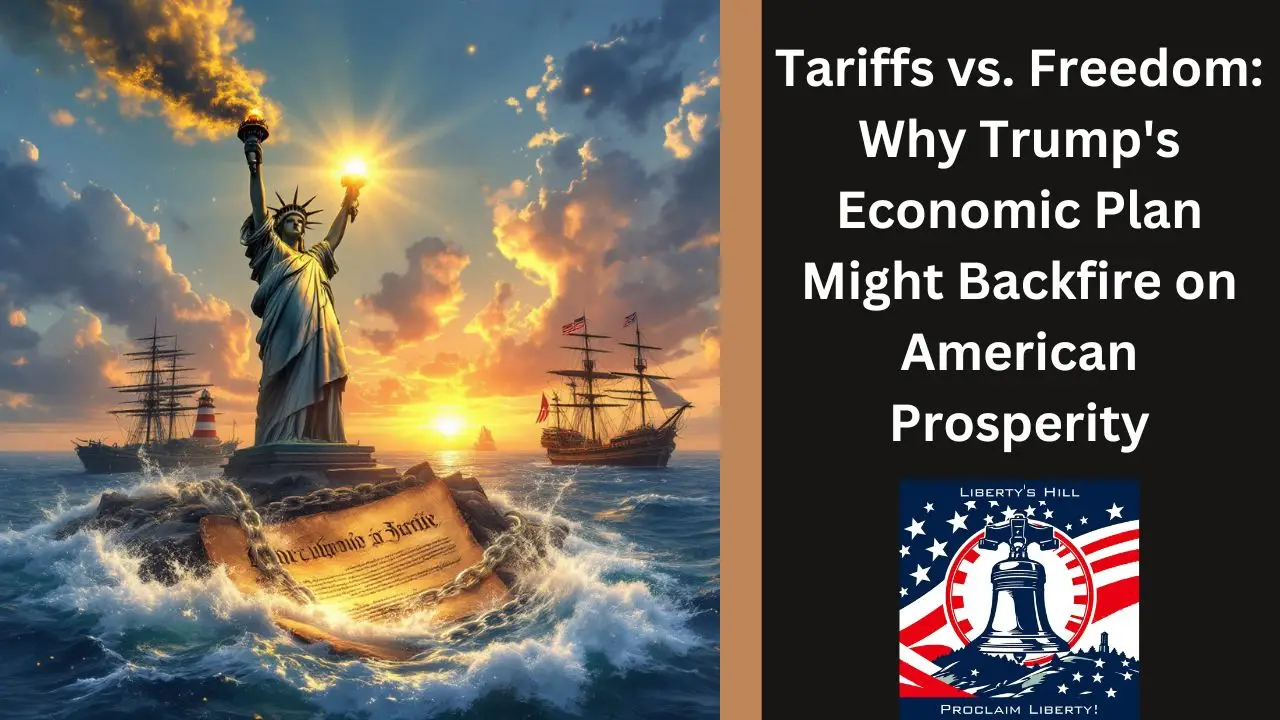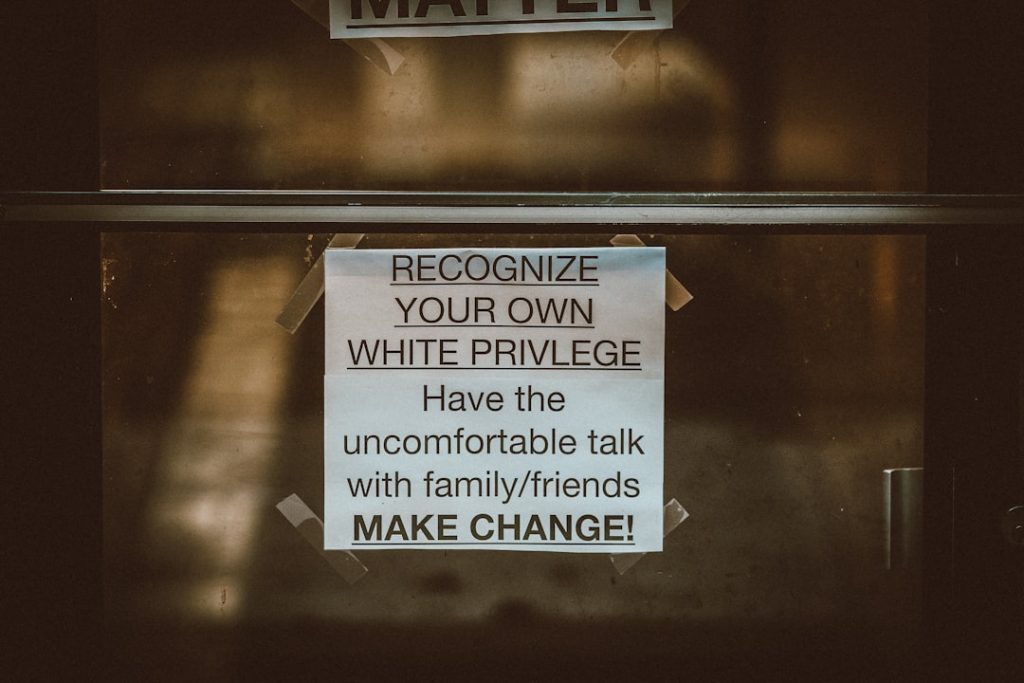
Divisive public declarations have increased in frequency during the digital era, facilitated by rapid communication technologies and widespread information sharing platforms. These statements, typically issued by public figures, organizations, or institutions, often create polarization within communities and can escalate social tensions. Research indicates that such declarations function beyond simple opinion expression, serving as influential mechanisms that affect public perception and behavioral patterns.
The psychological and sociological factors underlying divisive rhetoric include cognitive biases, group identity dynamics, and communication strategies designed to mobilize specific audiences. Studies suggest that these declarations often exploit existing social divisions and can amplify intergroup conflicts through selective framing and emotional appeals. The measurable impacts of divisive public discourse include decreased social cohesion, reduced trust in institutions, and increased political polarization.
Communication research demonstrates that inflammatory rhetoric can create echo chambers, limit constructive dialogue, and impede collaborative problem-solving processes. These effects extend beyond immediate political consequences to influence community relationships, civic engagement, and democratic participation. Addressing divisive rhetoric requires systematic approaches including media literacy education, platform accountability measures, and the promotion of constructive communication practices.
Evidence-based interventions focus on developing critical thinking skills, encouraging perspective-taking, and creating structured opportunities for cross-group dialogue to reduce polarization and improve public discourse quality.
Key Takeaways
- Divisive public declarations significantly influence societal cohesion and interpersonal relationships.
- Public figures play a crucial role in shaping opinions through their statements, often intensifying divisions.
- Media outlets can amplify divisive messages, impacting public perception and emotional well-being.
- Divisive declarations can lead to psychological stress and strained relationships among individuals.
- Effective strategies and responsible communication are essential to promote unity and constructive public discourse.
The Impact of Divisive Public Declarations on Society
Divisive public declarations can have profound effects on societal cohesion. When influential figures make statements that polarize opinions, they often create an environment where dialogue is stifled, and understanding is overshadowed by animosity. This polarization can lead to a breakdown in community relationships, as individuals retreat into echo chambers that reinforce their beliefs while dismissing opposing viewpoints.
The result is a fragmented society where collaboration and mutual respect become increasingly difficult to achieve. Moreover, the impact of these declarations extends beyond immediate reactions; they can shape long-term societal attitudes and behaviors. For instance, when public figures make inflammatory remarks about specific groups, it can perpetuate stereotypes and foster discrimination.
This not only harms those targeted by such rhetoric but also diminishes the moral fabric of society as a whole. The challenge lies in recognizing that words carry weight and that divisive declarations can have lasting repercussions on social dynamics, ultimately hindering progress toward a more just and equitable society.
The Role of Public Figures in Making Divisive Declarations
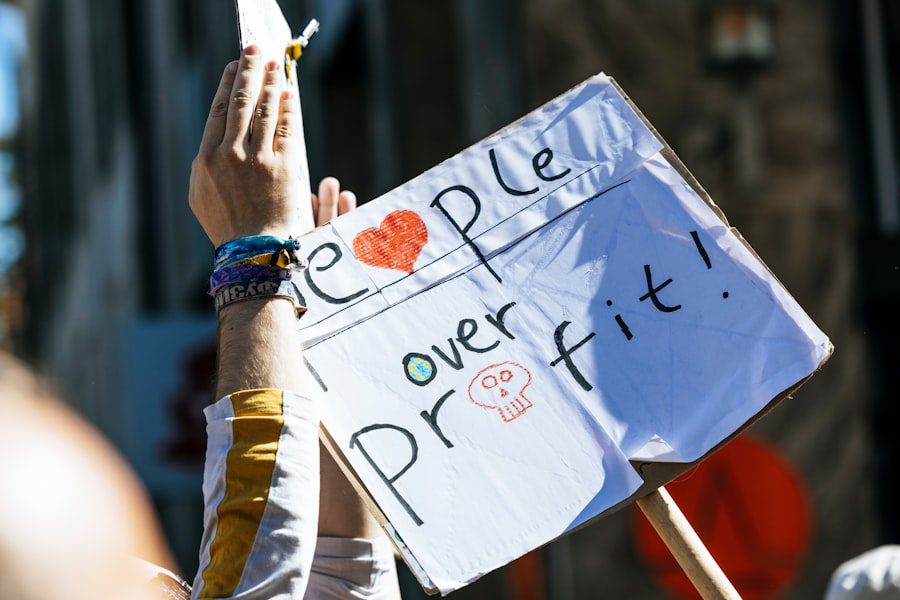
Public figures wield significant influence over public opinion and discourse. Their words can inspire movements or incite unrest, making their role in shaping societal narratives particularly critical. When these individuals choose to make divisive declarations, they often do so with an awareness of the potential consequences.
Whether motivated by personal beliefs, political agendas, or a desire for attention, the impact of their statements can reverberate throughout society. It is essential for public figures to recognize their responsibility in fostering constructive dialogue rather than contributing to division. By choosing to engage in thoughtful discourse and promoting understanding, they can serve as catalysts for positive change.
Conversely, when they resort to divisive rhetoric, they not only alienate segments of the population but also undermine the potential for collaboration and reconciliation. The challenge lies in encouraging public figures to embrace their role as stewards of unity rather than agents of division.
The Consequences of Divisive Public Declarations on Relationships
The ramifications of divisive public declarations extend into personal relationships, often creating rifts between friends, family members, and colleagues. When individuals align themselves with opposing sides of a divisive issue, it can lead to heated arguments and a breakdown in communication. The emotional toll of such conflicts can be significant, as individuals grapple with feelings of betrayal or anger towards those who hold differing views.
Moreover, the consequences are not limited to interpersonal relationships; they can also affect community dynamics. As individuals become entrenched in their positions, the ability to engage in constructive dialogue diminishes. This erosion of trust can lead to isolation and a sense of alienation among those who feel marginalized by prevailing narratives.
To counteract these effects, it is vital to cultivate spaces for open dialogue where individuals can express their perspectives without fear of judgment or hostility. By prioritizing empathy and understanding, we can work towards healing the divisions that threaten our relationships.
Strategies for Addressing Divisive Public Declarations
Addressing divisive public declarations requires a multifaceted approach that emphasizes dialogue, empathy, and education. One effective strategy is to promote active listening—encouraging individuals to engage with opposing viewpoints without immediately resorting to defensiveness or dismissal. This practice fosters an environment where people feel heard and valued, paving the way for more constructive conversations.
Additionally, community initiatives that focus on bridging divides can play a crucial role in mitigating the impact of divisive rhetoric. Workshops, forums, and discussion groups that bring together individuals from diverse backgrounds can help cultivate understanding and empathy. By creating opportunities for meaningful interactions, we can challenge stereotypes and foster connections that transcend ideological differences.
Ultimately, the goal is to create a culture where dialogue is prioritized over division, allowing for a more harmonious coexistence.
The Responsibility of Media in Amplifying Divisive Declarations
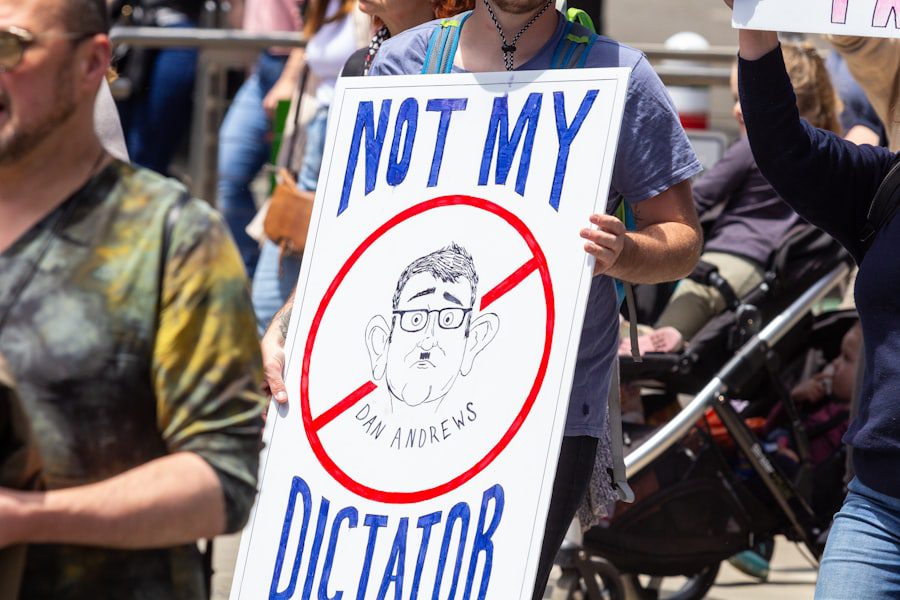
The media plays a pivotal role in shaping public discourse and amplifying divisive declarations. In an era where sensationalism often trumps substance, media outlets must grapple with their responsibility to report ethically and thoughtfully. When divisive statements are sensationalized or taken out of context, they can exacerbate tensions and contribute to societal polarization.
To counteract this trend, media organizations should prioritize responsible reporting that seeks to inform rather than inflame. This includes providing context for divisive statements and highlighting diverse perspectives rather than focusing solely on conflict-driven narratives. By fostering a more nuanced understanding of complex issues, the media can contribute to a healthier public discourse that encourages empathy and understanding rather than division.
The Psychological Effects of Divisive Public Declarations on Individuals
The psychological impact of divisive public declarations on individuals cannot be overlooked. Exposure to inflammatory rhetoric can lead to increased anxiety, stress, and feelings of helplessness among those who feel targeted or marginalized by such statements. The constant barrage of negativity can create an environment where individuals feel compelled to choose sides, leading to internal conflict and emotional turmoil.
Furthermore, the psychological effects extend beyond individual experiences; they can influence collective mental health within communities. As divisions deepen and animosity grows, social cohesion erodes, leading to increased feelings of isolation and despair among community members. To address these psychological ramifications, it is essential to promote mental health resources that encourage resilience and coping strategies in the face of divisive rhetoric.
By fostering environments that prioritize mental well-being and community support, we can mitigate the adverse effects of divisive public declarations.
Moving Towards Unity in Public Discourse
In conclusion, the challenge posed by divisive public declarations is one that requires collective effort and commitment to fostering unity in public discourse. By understanding the impact of these declarations on society, relationships, and individual well-being, we can begin to address the underlying issues that contribute to division. Public figures must recognize their responsibility as leaders in promoting constructive dialogue rather than perpetuating conflict.
Moreover, media organizations have a crucial role in shaping narratives that prioritize empathy and understanding over sensationalism. By cultivating spaces for open dialogue and encouraging active listening, we can work towards healing the divisions that threaten our communities. Ultimately, moving towards unity in public discourse is not merely an ideal; it is a necessary pursuit for the flourishing of humanity as we seek to build a wise and moral society rooted in love and understanding for one another.