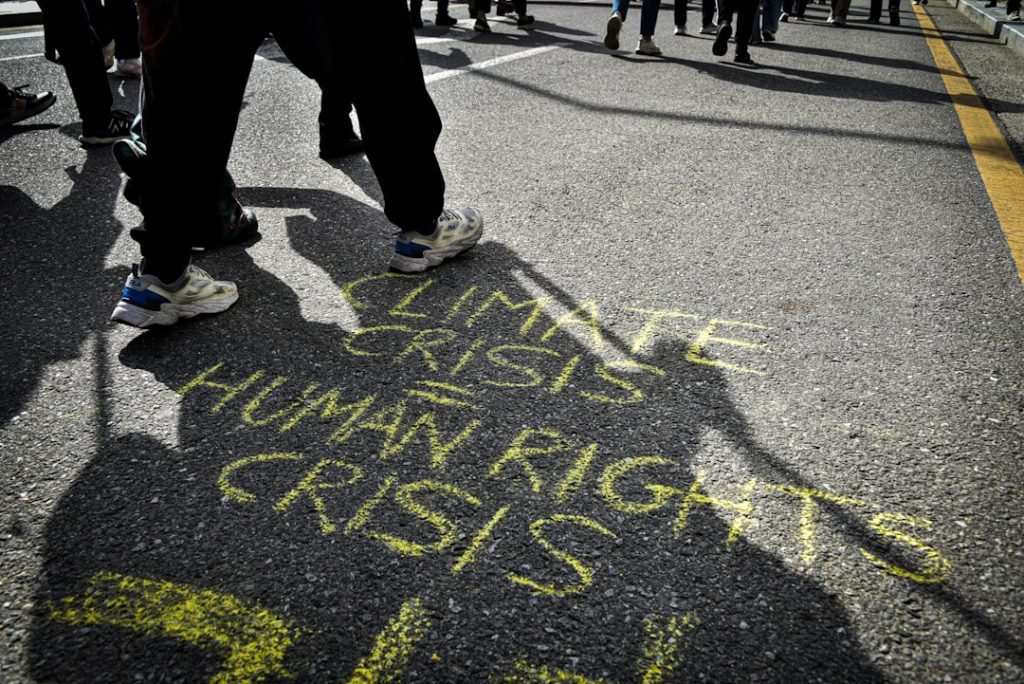
Human rights violations constitute breaches of fundamental rights and freedoms recognized as inherent to all individuals. These violations occur in multiple forms, including torture, discrimination, arbitrary detention, and extrajudicial killings. Contributing factors include authoritarian governance structures, social inequality, and cultural intolerance within affected societies.
The Universal Declaration of Human Rights, adopted by the United Nations General Assembly in 1948, establishes international standards for human rights protection. This document defines civil, political, economic, social, and cultural rights applicable to all people regardless of nationality, ethnicity, religion, or other characteristics. The Declaration consists of 30 articles covering areas such as the right to life, liberty, security, freedom of expression, and protection from discrimination.
Despite the existence of international human rights frameworks, violations continue to occur across different regions and political systems. Documentation by human rights organizations indicates that governments may employ restrictive measures to suppress political opposition, limit civil society activities, or maintain social control. These practices often target specific groups, including ethnic minorities, political dissidents, journalists, and human rights defenders.
Analysis of human rights violations requires examination of political, economic, and social contexts. Factors such as weak judicial systems, lack of accountability mechanisms, economic instability, and social tensions can create conditions where violations are more likely to occur. International monitoring bodies, including UN treaty bodies and regional human rights courts, work to document violations and provide oversight of state compliance with human rights obligations.
Key Takeaways
- Human rights violations deeply affect individuals and communities, causing lasting trauma and social disruption.
- International bodies and NGOs play crucial roles in holding perpetrators accountable and providing support to victims.
- Addressing systemic issues requires comprehensive reforms and sustained efforts to rebuild trust and promote healing.
- Preventing future violations depends on proactive advocacy, education, and strengthening legal frameworks.
- Empowering communities through awareness and education is essential for fostering long-term human rights protection.
The Impact on Individuals and Communities
The repercussions of human rights violations extend far beyond the immediate victims; they ripple through families and entire communities, creating an atmosphere of fear and mistrust. Individuals who experience such violations often suffer from profound psychological trauma, which can manifest as anxiety, depression, and post-traumatic stress disorder. The scars left by these experiences can hinder personal development and disrupt social cohesion.
When individuals are stripped of their rights, their ability to contribute positively to society diminishes, leading to a cycle of despair that can last for generations. Communities affected by human rights abuses often find themselves in a state of disarray. Social bonds weaken as fear takes root, and collective action becomes increasingly difficult.
The erosion of trust in institutions—be it the government, law enforcement, or even local organizations—further exacerbates the situation. In such environments, the potential for collaboration and mutual support diminishes, leaving communities vulnerable to further exploitation. The long-term impact is not only a loss of individual potential but also a stunted societal growth that hampers progress toward a more just and equitable world.
International Response and Accountability
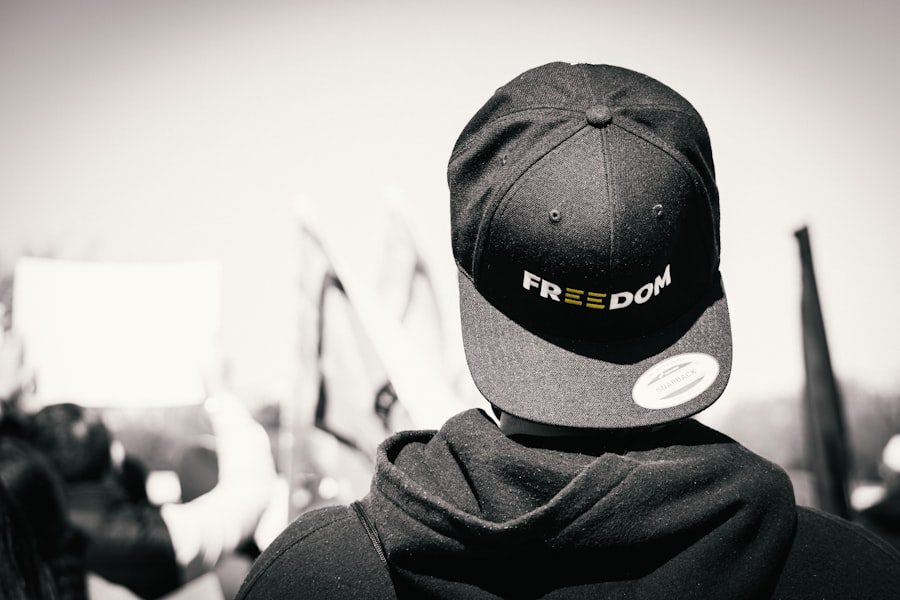
The international community plays a pivotal role in addressing human rights violations through various mechanisms aimed at promoting accountability and justice. Organizations such as the United Nations have established frameworks for monitoring human rights abuses and holding perpetrators accountable. However, the effectiveness of these responses often hinges on political will and the commitment of member states to uphold international law.
In many cases, geopolitical interests can overshadow the urgency of addressing human rights violations, leading to a lack of meaningful intervention. Moreover, international responses must be accompanied by robust mechanisms for accountability. This includes not only legal frameworks but also support for victims seeking justice.
Transitional justice processes, such as truth commissions and reparations programs, can help societies confront their past while fostering reconciliation. However, these efforts require sustained commitment from both national governments and international bodies to ensure that justice is not merely an abstract concept but a lived reality for those affected by human rights abuses.
The Role of Non-Governmental Organizations
Non-governmental organizations (NGOs) play an essential role in advocating for human rights and providing support to victims of abuses. These organizations often serve as watchdogs, documenting violations and raising awareness about injustices that might otherwise go unnoticed. By amplifying the voices of marginalized communities, NGOs contribute to a more informed public discourse on human rights issues.
Their grassroots efforts can mobilize communities and foster solidarity among those affected by oppression. In addition to advocacy, many NGOs provide direct assistance to victims of human rights violations. This support can take various forms, including legal aid, psychological counseling, and rehabilitation programs.
By addressing both the immediate needs of individuals and the broader systemic issues at play, NGOs contribute to a more comprehensive approach to human rights advocacy. Their work not only seeks to alleviate suffering but also aims to empower individuals and communities to reclaim their rights and dignity.
Addressing Systemic Human Rights Violations
To effectively combat human rights violations, it is crucial to address the systemic issues that give rise to them. This involves examining the underlying structures of power and privilege that perpetuate inequality and injustice. For instance, discriminatory laws or practices can create environments where certain groups are more vulnerable to abuse than others.
By identifying and dismantling these systemic barriers, societies can work toward creating a more equitable framework that protects the rights of all individuals. Addressing systemic violations also requires a commitment to inclusivity and representation in decision-making processes. Engaging marginalized communities in discussions about their rights ensures that their voices are heard and their needs are prioritized.
This participatory approach fosters a sense of ownership over the solutions being implemented and helps build resilience within communities. Ultimately, addressing systemic human rights violations is not just about rectifying past wrongs; it is about laying the groundwork for a future where justice and equality are foundational principles.
Rebuilding Trust and Healing Trauma
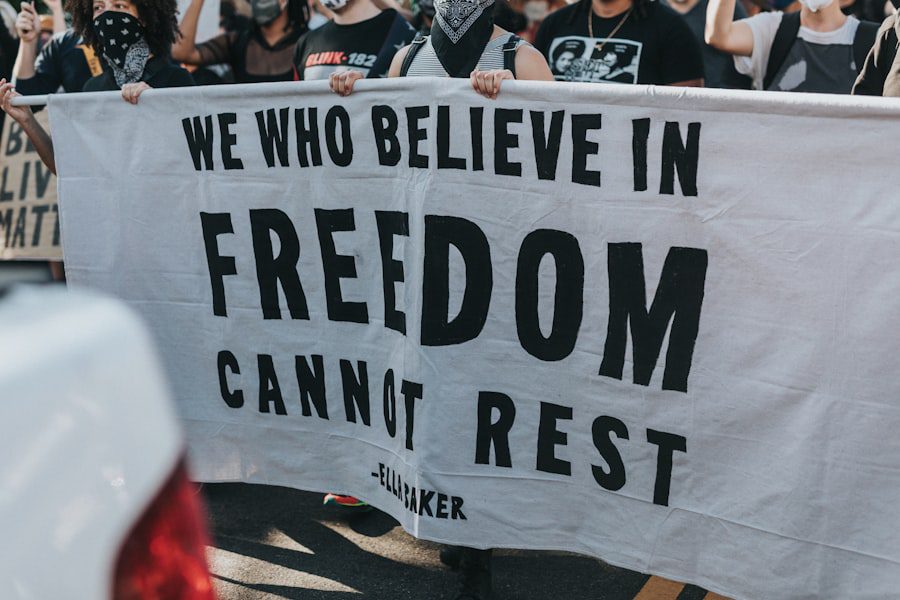
Rebuilding trust in the aftermath of human rights violations is a complex yet essential process for societal healing. Trust is often shattered when individuals experience abuse at the hands of those in power or when institutions fail to protect their rights. Restoring this trust requires transparency, accountability, and a genuine commitment to addressing past grievances.
Societies must engage in open dialogues about their histories while acknowledging the pain experienced by victims. Healing trauma is equally important in this process. Victims of human rights abuses often carry deep emotional scars that can hinder their ability to reintegrate into society fully.
Providing access to mental health services and support networks is crucial for facilitating recovery. Community-based healing initiatives can also play a significant role in fostering resilience and solidarity among those affected by trauma. By prioritizing both trust-building and trauma healing, societies can create an environment conducive to reconciliation and collective progress.
Preventing Future Human Rights Violations
Preventing future human rights violations necessitates a proactive approach that encompasses education, policy reform, and community engagement. Education plays a vital role in fostering a culture of respect for human rights from an early age. By integrating human rights education into school curricula, future generations can develop an understanding of their rights and responsibilities as global citizens.
This foundational knowledge empowers individuals to advocate for themselves and others while promoting empathy and solidarity. Policy reform is another critical component in preventing future violations. Governments must enact laws that protect human rights and ensure accountability for those who perpetrate abuses.
This includes establishing independent oversight bodies to monitor compliance with human rights standards and providing training for law enforcement officials on respecting individual rights. Additionally, fostering an environment where civil society can operate freely is essential for holding governments accountable and advocating for change.
The Importance of Advocacy and Education
Advocacy and education are indispensable tools in the fight against human rights violations. Advocacy efforts raise awareness about injustices while mobilizing public support for change. Grassroots movements have historically played a significant role in challenging oppressive systems and demanding accountability from those in power.
By amplifying marginalized voices and fostering solidarity among diverse groups, advocacy can drive meaningful change at local, national, and international levels. Education complements advocacy by equipping individuals with the knowledge necessary to understand their rights and engage in civic life actively. Educational initiatives that focus on human rights can inspire individuals to become advocates for justice within their communities.
Furthermore, fostering critical thinking skills enables individuals to question injustices they encounter while promoting dialogue around complex social issues. Together, advocacy and education create a powerful synergy that can transform societies into places where human dignity is upheld, and flourishing is possible for all. In conclusion, addressing human rights violations requires a multifaceted approach that encompasses understanding the root causes, supporting victims, holding perpetrators accountable, and fostering a culture of respect for human dignity.
By prioritizing advocacy and education while engaging with communities affected by injustice, we can work toward building a more just society where every individual has the opportunity to thrive.